Table Of Content
h1,h2
Discover the best influencer marketing software for Storefronts brands. Compare platforms like Influencer Hero, GRIN, Aspire, Upfluence, CreatorIQ, and Impact.com for influencer discovery, product gifting, affiliate tracking, discount codes, creator storefronts, and revenue attribution for eCommerce and DTC brands.



Table Of Content
Many eCommerce brands choose Storefronts because it allows them to launch and manage creator-driven commerce experiences without building complex infrastructure from scratch. When we work with brands running on Storefronts, influencer marketing quickly becomes a key growth channel, but managing it manually becomes difficult as programs scale.
Across influencer marketing, we consistently see the same operational needs: influencer discovery, product gifting management, affiliate tracking, discount code distribution, and clear revenue attribution to measure ROI.

Influencer Hero is an all-in-one influencer marketing platform designed primarily for eCommerce and DTC brands. It combines influencer discovery, outreach management, campaign workflows, affiliate tracking, and performance reporting in a single system.
Because it connects creator activity with product performance and sales data, it is often considered one of the best influencer marketing software for Storefronts for brands that want clearer visibility into influencer-driven revenue.
When we set up Influencer Hero for brands running storefront-based creator programs, it typically becomes the central system for managing the entire influencer workflow. Teams use it to discover creators, manage outreach, coordinate product gifting, and assign affiliate links or discount codes.
Storefront activity and sales performance are then tied back to each creator record, allowing marketing and eCommerce teams to clearly see which creators are actually driving product demand and revenue.
Influencer Hero tends to work best when teams plan to run influencer marketing as a structured program rather than occasional gifting campaigns.
To fully benefit from attribution and reporting, brands typically need to configure affiliate tracking, commission structures, and campaign workflows during the initial setup. Some teams also benefit from onboarding support to structure their creator pipeline and storefront tracking correctly.
From an agency standpoint, Influencer Hero stands out in storefront-driven programs because it connects creator relationships with real revenue data. Instead of focusing only on content metrics, teams can evaluate partnerships based on product interaction and sales performance.
For brands on Storefronts that want structured outreach workflows and clearer attribution, Influencer Hero is often one of the more complete options available.
.png)
Klear is an influencer marketing platform designed to help brands discover creators, manage influencer campaigns, and analyze creator performance. The platform combines influencer discovery, relationship management, and campaign reporting within a single system. It is commonly used by eCommerce brands and agencies that want to identify relevant creators and organize collaborations at scale, including storefront-driven influencer programs tied to affiliate links and product promotions.
For brands running on storefront models, Klear typically acts as the discovery and campaign management platform behind creator collaborations.
Marketing teams use its influencer database to identify creators whose audiences align with their products. Once creators are selected, teams can manage outreach, organize campaigns, and coordinate partnerships through the platform.
Creators promoting products through storefronts can be assigned affiliate links or discount codes, allowing brands to connect influencer activity with storefront-driven engagement and sales. Reporting dashboards provide visibility into campaign performance, creator output, and audience insights.
Klear is typically positioned as a mid-to-enterprise influencer marketing platform, which means pricing may be higher than lighter influencer tools. Some teams also note that while discovery and analytics features are strong, configuring campaign workflows and reporting can take time during the initial setup.
Brands running storefront-based programs that rely heavily on affiliate tracking may also need structured processes to ensure creator sales attribution is connected to their storefront analytics.
From an agency standpoint, Klear works well for brands that want strong influencer discovery and audience analytics combined with campaign management tools. It provides marketing teams with structured visibility into creator performance and campaign impact.
For storefront brands building structured creator programs, Klear can support influencer discovery and campaign coordination effectively. However, teams focused primarily on direct revenue attribution may still need additional processes to ensure storefront sales tracking remains clearly connected to influencer activity.

GRIN is a creator management platform designed primarily for eCommerce brands running influencer programs at scale.
It focuses on managing the full creator lifecycle, including discovery, outreach, product seeding, content tracking, and affiliate partnerships. The platform is widely used by mid-sized and larger DTC brands, and it can support storefront-driven influencer programs by connecting creator activity with referral links, discount codes, and sales data.
For brands running on storefront models, GRIN typically functions as the central creator management platform.
Teams use it to discover influencers, manage outreach conversations, send products for gifting campaigns, and organize collaborations across campaigns. Affiliate links and discount codes are assigned to creators, allowing storefront traffic and purchases to be attributed to individual partnerships.
Reporting dashboards then help teams track creator performance, monitor campaign results, and evaluate which storefront-driven influencers are generating measurable revenue.
GRIN is typically positioned at the higher end of the influencer marketing software market, which can make it less accessible for early-stage brands. Some users also mention that the platform requires a structured onboarding process and internal resources to manage effectively, particularly when managing large creator databases.
While its reporting and campaign management features are strong, storefront brands focused heavily on affiliate attribution may still rely on additional tracking layers depending on how their program is structured.
From an agency perspective, GRIN is often a good fit for DTC brands that already have an internal influencer marketing team and need a structured way to manage relationships and gifting at scale. It provides solid operational visibility into creator campaigns.
For storefront brands focused primarily on affiliate-driven revenue, it can work well as a creator management system, though additional tracking infrastructure may be needed depending on how storefront attribution is handled.

Aspire is an influencer marketing platform focused on helping brands manage creator partnerships and user-generated content campaigns. It combines influencer discovery, campaign management, product seeding, and affiliate tracking in a single platform.
Aspire is commonly used by DTC and eCommerce brands that want to scale influencer programs, including those running storefront-style creator promotions tied to affiliate links and discount codes.
For brands running on storefront models, Aspire typically acts as the system used to source creators and manage campaign execution.
Teams discover influencers through the platform’s creator database, organize partnerships through campaign workflows, and coordinate product gifting directly through the platform.
Affiliate links and discount codes are assigned to creators who promote products through their storefronts or link-in-bio pages. Performance dashboards then provide visibility into content output, conversions, and creator-driven revenue tied to those campaigns.
Aspire can require a structured onboarding process, especially for teams new to influencer marketing platforms. Some users mention that while discovery and campaign management features are strong, affiliate attribution can depend heavily on link tracking, which may limit deeper storefront-level insights without additional tracking layers.
Pricing also tends to scale as programs grow, which can be a consideration for smaller teams or brands running lean influencer operations.
From an agency perspective, Aspire is often a solid option for brands that want a combination of creator discovery and campaign management in a single platform. It works particularly well for teams focused on sourcing influencers and running organized campaign workflows.
For storefront brands prioritizing affiliate-driven sales visibility, Aspire can support those programs, though teams may need structured processes to ensure attribution and performance tracking remain consistent across creators.

CreatorIQ is an enterprise influencer marketing platform used by large brands and global marketing teams to manage creator programs at scale. It focuses heavily on data infrastructure, influencer discovery, and campaign analytics across multiple social platforms.
The platform is most commonly used by large consumer brands and agencies, including companies running storefront-based creator commerce programs that require structured reporting and global campaign coordination.
For brands running on storefront models, CreatorIQ typically acts as the system used to identify creators, manage campaign relationships, and analyze performance across influencer activations.
Teams use the platform’s large creator database to discover influencers, organize collaborations through campaign workflows, and coordinate product gifting when needed. Affiliate links or discount codes tied to storefront promotions are tracked alongside campaign activity, giving teams visibility into creator performance and the broader impact of influencer-driven sales.
CreatorIQ is typically positioned as an enterprise platform, which means pricing and onboarding requirements can be significant compared with other tools in the market.
Teams often need dedicated internal resources to manage creator pipelines, campaigns, and reporting workflows effectively. Some users also note that while the platform excels in analytics and campaign coordination, affiliate attribution for storefront-driven sales may require structured tracking processes to ensure accurate revenue visibility.
From an agency standpoint, CreatorIQ tends to work best for larger organizations with established influencer marketing teams and complex reporting needs. It provides strong visibility into campaign performance and creator activity across large programs.
For storefront-focused brands, it can support influencer campaigns and creator partnerships effectively. However, brands primarily focused on performance-based storefront sales may need additional structure around affiliate tracking and attribution to fully capture revenue impact.

Traackr is an influencer marketing platform focused on influencer discovery, relationship management, and performance analytics. It is widely used by enterprise brands that treat influencer marketing as part of a broader brand and media strategy.
The platform is particularly strong in influencer data and campaign reporting, which can support storefront-driven creator programs that need structured performance visibility.
For brands running on storefront models, Traackr typically functions as the discovery and campaign intelligence layer. Teams use it to identify creators through detailed audience and performance filters, organize collaborations, and track campaign activity.
Influencers promoting products through storefronts can be managed within campaigns, while referral links or discount codes help track which creators contribute to product demand. Reporting dashboards then give marketing teams visibility into influencer performance and campaign outcomes tied to storefront-driven activity.
Traackr is typically positioned in the enterprise pricing tier, which can make it less accessible for smaller DTC brands.
The platform is also more analytics-focused than operational, meaning teams often use additional systems to manage outreach, product gifting, or affiliate workflows. Some users mention that while the analytics are strong, the learning curve can be higher compared with more workflow-focused influencer platforms.
From an agency standpoint, Traackr is often valuable when brands want deeper analytics around influencer performance and campaign impact. It provides strong visibility into creator data and market trends.
For storefront brands focused heavily on affiliate-driven revenue or day-to-day campaign operations, Traackr can support strategy and reporting but may require additional tools to handle the operational side of influencer programs.

Impact.com is a partnership and affiliate marketing platform that helps brands manage a wide range of partnerships, including influencers, affiliates, and referral partners.
In the influencer marketing space, it is often positioned as a performance-driven platform focused on tracking revenue and managing partner payouts. It is commonly used by larger eCommerce brands running structured affiliate or storefront-based creator programs where accurate sales attribution is a priority.
For brands running on storefront models, Impact.com typically functions as the partnership tracking infrastructure behind creator promotions.
Teams onboard influencers as partners, generate referral links or discount codes, and track purchases driven through storefront placements. Discovery and relationship management often happen outside the platform, but Impact.com provides visibility into clicks, conversions, commissions, and payouts tied to each creator. This allows marketing teams to measure which storefront-driven creators contribute to revenue and manage compensation accordingly.
Impact.com is generally positioned at the enterprise end of the partnership marketing software market. The platform can require more setup and internal resources than simpler influencer tools, especially when configuring partner structures and tracking rules.
Some users also note that while the attribution and reporting capabilities are strong, the platform is less focused on influencer discovery or relationship management, which may require additional tools for brands building creator pipelines.
From an agency standpoint, Impact.com works well when storefront-based influencer programs are tightly connected to affiliate or partnership revenue tracking. It offers strong visibility into conversions and commission structures.
For storefront brands primarily focused on creator discovery and day-to-day influencer campaign management, the platform may require additional systems to support those operational workflows.
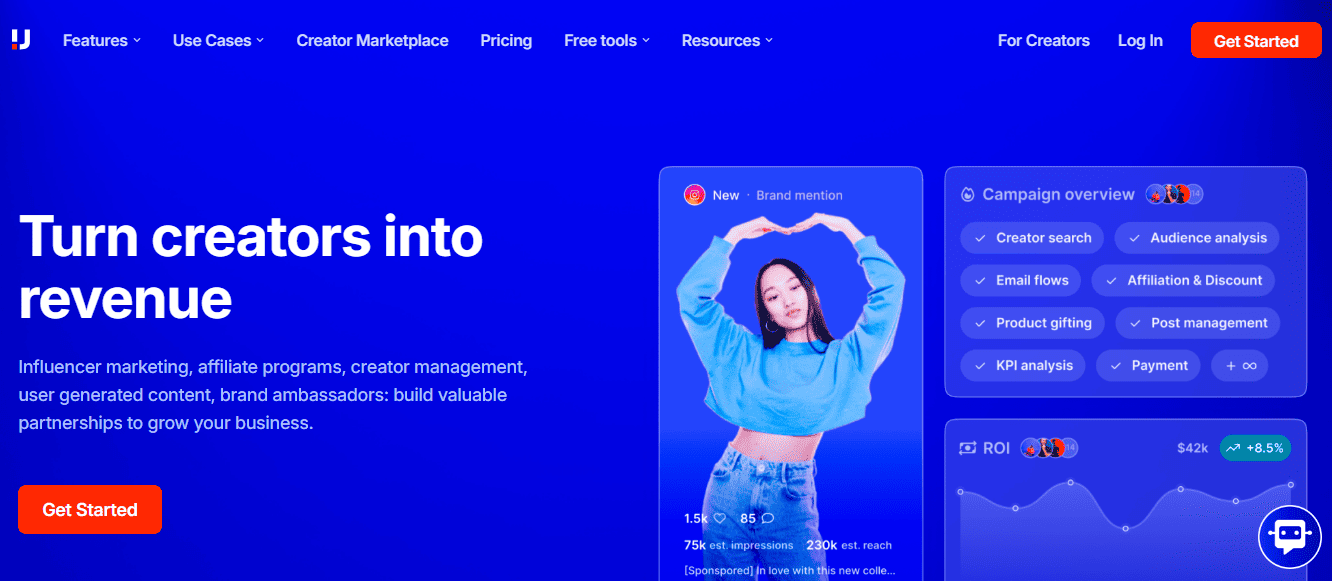
Upfluence is an influencer and affiliate marketing platform built primarily for eCommerce brands that want to manage creator partnerships and track sales generated by influencers.
It combines influencer discovery, campaign management, affiliate tracking, and analytics in a single system. The platform is commonly used by mid-market and enterprise eCommerce brands, particularly those running storefront-style creator programs where influencer promotions are tied directly to product sales.
For brands running on storefront models, this platform typically acts as both the influencer discovery engine and the affiliate tracking system behind creator promotions. Marketing teams search its creator database, build campaign lists, and manage collaborations through the platform’s CRM-style workflow.
Product gifting can be coordinated directly from the brand’s catalog, while creators receive unique affiliate links or discount codes that can be placed in storefronts or link-in-bio pages. Reporting dashboards then show campaign metrics, conversions, and revenue tied to each creator partnership.
Upfluence is typically positioned in the mid-to-enterprise pricing range, which can be a barrier for smaller brands starting influencer programs. Some users also mention that the platform has a learning curve due to the number of features and workflows involved.
Community discussions highlight that pricing is often structured as annual contracts and may feel expensive compared with simpler tools.
From an agency standpoint, Upfluence is often a solid option for eCommerce brands that want discovery, campaign management, and affiliate tracking within the same system. It provides a structured environment for running influencer programs tied to sales.
For storefront brands that prioritize revenue attribution and affiliate-style partnerships, it can work well as a centralized platform. Teams focused primarily on outreach efficiency or lightweight campaign execution may find it requires more setup and internal resources to manage effectively.

Brandbassador is a creator and ambassador marketing platform designed to help brands activate communities of creators who promote products through missions, affiliate links, and social content. It is positioned around ambassador-style influencer programs rather than traditional campaign-based influencer marketing.
The platform is often used by DTC and lifestyle brands that want to scale large groups of creators promoting products through storefront links, referral codes, and social sharing.
For brands running on storefront models, this platform typically functions as a structured ambassador management system. Teams recruit creators into the platform, assign promotional missions, and distribute affiliate links or discount codes that creators use when promoting products through storefronts or social content.
Campaign activity, product promotions, and commission tracking are managed within the platform, giving brands visibility into which ambassadors generate engagement and storefront-driven sales. Reporting dashboards then help teams review participation, conversions, and overall program performance.
Brandbassador is designed primarily for ambassador programs rather than traditional influencer discovery and outreach workflows. Many brands still need separate processes for sourcing creators or managing one-off collaborations.
Some users mention that while the mission system works well for large creator communities, it can feel less flexible for brands running more customized influencer campaigns. As programs grow, teams also need to actively manage creator engagement to keep ambassador participation consistent.
From an agency standpoint, Brandbassador can be a strong option for brands building large ambassador communities that continuously promote products through referral links or storefront placements. The mission-based structure helps maintain ongoing creator engagement.
For storefront brands focused on structured influencer campaigns or detailed revenue attribution, the platform may require additional tools or processes to manage creator discovery and campaign workflows.

Modash is an influencer marketing platform focused primarily on influencer discovery, analytics, and creator outreach. It is positioned as a data-driven platform that helps brands identify relevant creators across platforms like Instagram, TikTok, and YouTube.
Modash is commonly used by DTC and eCommerce brands that want a strong creator search engine and audience insights, including storefront brands looking to find creators who can promote products through affiliate links and storefront placements.
For brands running on storefront models, Modash typically functions as the discovery and creator research layer of the influencer program. Teams use the platform to identify creators with relevant audiences, review engagement metrics, and build outreach lists for campaigns.
Once creators are selected, campaigns, gifting, and affiliate link distribution are usually managed through external workflows, while Modash helps track content output and influencer performance data. Reporting dashboards provide visibility into creator metrics and campaign reach, which brands use alongside storefront sales tracking to evaluate influencer performance.
Modash focuses heavily on influencer discovery and analytics rather than full campaign operations. Many brands still rely on other systems for outreach management, gifting coordination, and affiliate tracking.
Some users also mention that while the discovery data is strong, the platform may require additional tools to fully manage influencer workflows, especially for storefront programs that rely on affiliate tracking and revenue attribution.
From an agency perspective, Modash is often valuable as a creator discovery and research tool. It provides strong visibility into creator audiences and helps teams quickly identify influencers worth contacting.
For storefront brands focused on operational campaign management and sales attribution, Modash usually works best as part of a broader stack rather than the central platform running the entire influencer program.
Choosing the best influencer marketing software for Storefronts ultimately depends on how your brand runs its creator program. For storefront-driven programs, the key factors usually come down to how well a platform supports creator discovery, product gifting, affiliate tracking, and clear revenue attribution tied to creator activity.
In practice, many storefront brands combine software with structured campaign strategy to get the best results. If you’re evaluating influencer marketing tools or planning to scale a storefront-driven creator program, our team at NC Media can help design and manage the strategy. You can book a demo with NC Media to explore how influencer campaigns can be structured to drive measurable growth for your storefront business.
FAQ

The best influencer marketing software for Storefronts depends on your program goals. Platforms like Influencer Hero, GRIN, Aspire, and Upfluence provide full influencer campaign management, while tools like Refersion or Impact.com focus more on affiliate tracking. Influencer Hero is often used by storefront-based brands that want discovery, outreach, affiliate tracking, and revenue attribution in one platform.
Most storefront brands benefit from using influencer marketing software once their creator program starts to scale. These platforms help manage influencer discovery, product gifting, affiliate links, and discount codes while tracking which creators drive sales. Tools like Influencer Hero, GRIN, and Aspire allow teams to centralize these workflows instead of managing them manually.
Yes, many influencer marketing platforms can track storefront-driven sales using referral links, discount codes, or affiliate integrations. Platforms such as Influencer Hero, Upfluence, and Impact.com allow brands to attribute revenue to specific creators, which helps marketing teams measure ROI and identify top-performing influencers.
Storefront brands should look for tools that support influencer discovery, outreach management, product gifting coordination, affiliate link and discount code tracking, and clear revenue attribution. Platforms like Influencer Hero, Aspire, and GRIN offer these capabilities, helping brands run structured creator programs connected to actual sales performance.
Alternatives to Influencer Hero include platforms like GRIN, Aspire, CreatorIQ, Traackr, and Upfluence, which focus on creator management and campaign workflows. Affiliate-focused tools such as Refersion or Impact.com can also support storefront programs, although they typically require additional systems for influencer discovery and outreach.








.png)