Top 10 Olapic (Now Social Native) Alternatives: Features, Pricing and Review

Discover the top 10 Olapic (Now Social Native) alternatives — from Influencer Hero and Modash to Traackr and more.


Author Image
Blog Image

Table Of Content

Learn more about the top 10 best Olapic (Now Social Native) Alternatives
Discover the top 10 Olapic (Now Social Native) alternatives for influencer-generated content and creator marketing, including platforms like Modash, Upfluence, CreatorIQ, Traackr, and Meltwater/Klear. Compare features, pricing, UGC tools, influencer discovery, campaign management, Shopify integrations, and automation capabilities to find the best platform for your brand.

Top 10 Olapic (Now Social Native) Alternatives: Features, Pricing and Review

Influencer-generated content has become essential for brands looking to scale creator programs, and with Olapic (Now Social Native) by Social Native, later acquired by Social Native itself, the platform’s legacy UGC model no longer meets the needs of teams seeking modern influencer marketing workflows. Solutions like Modash, offering 350M+ public creator profiles, and CreatorIQ, used by major brands such as Disney and Lululemon, now provide deeper analytics, AI-driven discovery, and full campaign lifecycle tools that go far beyond Olapic (Now Social Native)’s capabilities.

Marketers today expect integrated systems that handle everything from outreach to tracking, which is why platforms such as Meltwater/Klear with 30M+ influencers and True Reach metrics, Traackr with robust ROI benchmarking, and Influencer Hero, known for advanced CRM automation and multi-platform coverage, stand out as stronger alternatives.

Below are the 10 Olapic (Now Social Native) alternatives we will explore in this article:
  1. Influencer Hero
  2. Modash
  3. CreatorIQ
  4. Traackr
  5. Meltwater / Klear
  6. Social Cat
  7. Heepsy
  8. HypeAuditor
  9. Upfluence
  10. Aspire

Quick Olapic (Now Social Native) Overview

<img src="social-native-alternatives-social-native-overview" alt="Olapic (Now Social Native) Alternatives Olapic (Now Social Native) Overview”>

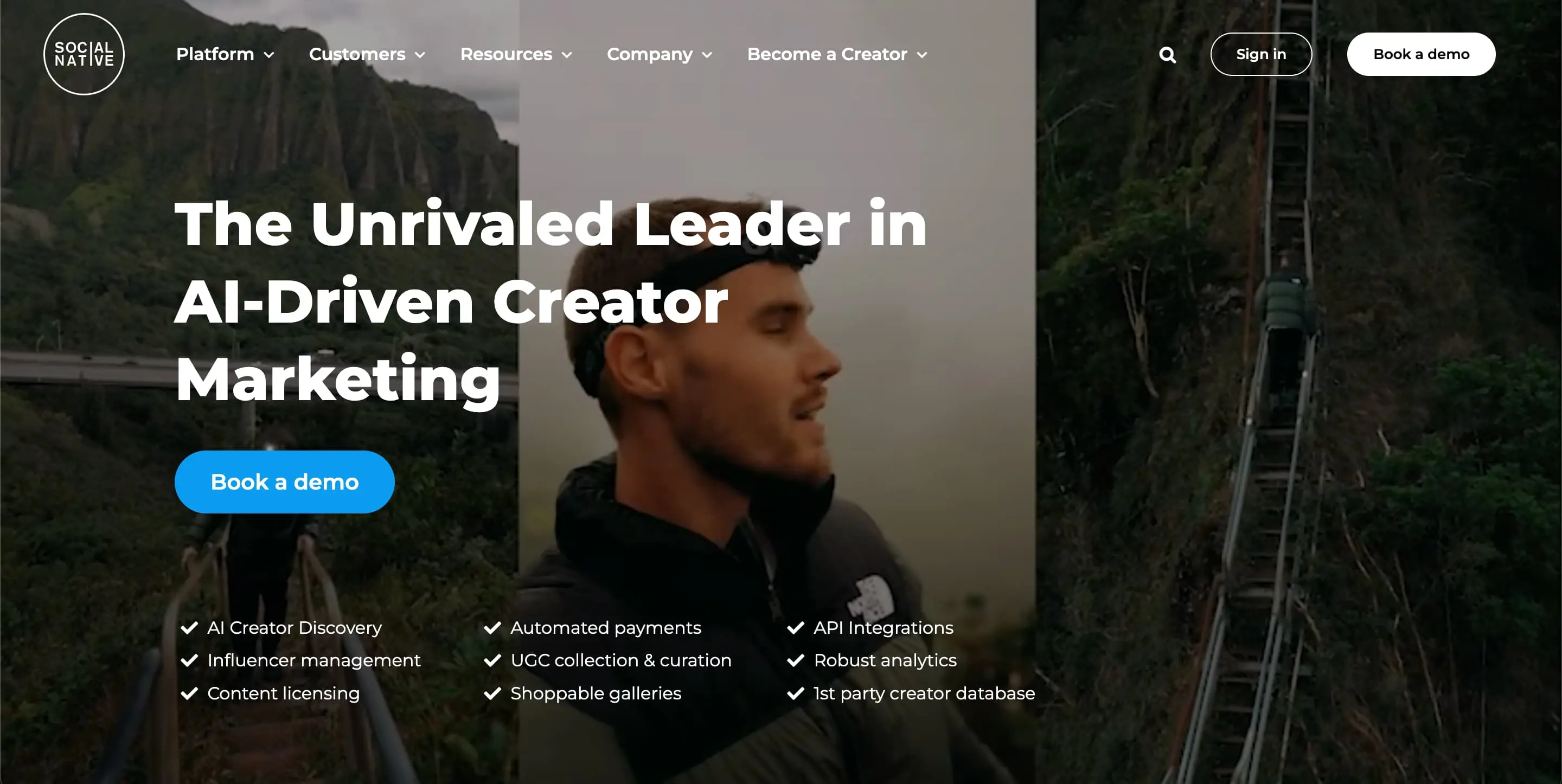
Olapic (Now Social Native), acquired by Social Native and now operating under the Social Native ecosystem, was one of the earliest UGC-driven content platforms built to help brands collect, curate, and repurpose customer and influencer-generated visuals. Its core value was enabling brands to turn organic social content into shoppable assets for eCommerce, ads, and onsite experiences, long before creator marketing platforms expanded into full end-to-end workflows.

Over time, Social Native integrated Olapic (Now Social Native)’s capabilities into a broader creative engine, offering brands a mix of UGC sourcing, creator content production at scale, and content rights management. While the platform remains effective for brands that primarily need UGC collection and distribution, it lacks the robust influencer discovery, CRM pipelines, automation, and sales attribution tools now standard in modern creator marketing software.

Key Features

  • UGC Collection & Curation – Aggregates customer and influencer content from social platforms for brand use.
  • Content Rights Management – Handles permissions for repurposing creator and customer imagery.
  • Content Distribution – Pushes UGC into eCommerce galleries, ads, PDPs, and email campaigns.
  • Shoppable Content Integrations – Turns UGC into interactive, conversion-focused placements.
  • Content Production Marketplace – Access to a creator network for branded content creation.

Olapic (Now Social Native) Pricing

Social Native (formerly Olapic (Now Social Native)) uses a custom pricing model, typically based on:

  • Content volume
  • Number of markets or brands
  • Creative services required
  • UGC sourcing vs. custom creator content production

Pricing generally aligns with mid-market to enterprise budgets. No free plan is offered.

Why Consider Olapic (Now Social Native) Alternatives?

Brands often look for alternatives because Olapic (Now Social Native) focuses heavily on UGC sourcing and repurposing, but not on the full influencer lifecycle, such as influencer discovery, CRM, automated outreach, gifting integrations, affiliate tracking, or detailed performance analytics. 

Modern creator platforms now offer these capabilities in one system, making them more suitable for teams that want scalable creator workflows rather than purely content acquisition.

Best Olapic (Now Social Native) Alternatives at Glance

Tool Best For Pricing Key Differentiator
Olapic (Now Social Native) Brands needing UGC collection & rights management Custom pricing Strong UGC sourcing & shoppable content tools
Influencer Hero End-to-end influencer workflows with strong CRM $649–$2,490/mo Advanced campaign automation across 8 platforms
Modash Large-scale creator discovery & Shopify gifting $199–$499/mo (annual billing) 350M+ creator profiles with AI & lookalike search
CreatorIQ Enterprise influencer management & reporting $35,000–$200,000/yr Deep data integrations + enterprise workflows
Traackr ROI benchmarking & performance insights ~$32,500/yr+ Advanced budget optimization & BVS score
Meltwater / Klear Teams needing analytics + UGC + social listening $33,100–$73,000/yr 30M+ creators + True Reach accuracy engine
Social Cat SMBs running simple gifting & product seeding Affordable monthly plans (varies) Creator applications + content rights included
Heepsy Brands wanting affordable search + Shopify tracking Monthly/annual plans (varies by tier) Strong niche filters + visual CRM pipeline
HypeAuditor Discovery with audience authenticity & safety From $10,000/mo AI-powered insights + deep authenticity scoring
Aspire Scaling teams needing workflow automation ~$2,300/mo mid-tier Large inbound creator marketplace + strong Shopify
Upfluence eCommerce brands focused on affiliates & gifting ~$1,276/mo annual term Shopify + Amazon integrations with no commission fees

The Most Common Frustrations Teams Have with Olapic (Now Social Native)

Many brands using Olapic (now part of Social Native) find that its UGC-centric approach no longer aligns with the capabilities required for modern, scalable creator programs.

  • Olapic does not provide robust influencer discovery tools, making it difficult for teams to source creators beyond basic UGC contributors.
  • The platform lacks a built-in CRM, preventing teams from managing creator relationships, outreach stages, and collaboration pipelines effectively.
  • There is no automated gifting or affiliate tracking system, limiting the ability to connect creator activity with eCommerce performance.
  • The platform offers limited campaign analytics, providing far less insight than other solutions that track ROI, conversions, and detailed performance metrics.
  • Olapic relies heavily on custom service packages instead of flexible, self-serve tools, which can slow down workflows and increase operational costs.

As brands scale their creator strategies, these gaps often lead them to explore more advanced and versatile alternatives.

10 Best Olapic (Now Social Native) Alternatives in 2026

1. Influencer Hero

<img src="social-native-alternatives-influencer-hero-overview" alt="Olapic (Now Social Native) Alternatives Influencer Hero Overview”>

Influencer Hero is an all-in-one influencer marketing platform built for brands that want robust discovery, CRM workflows, email automation, gifting, UGC management, and affiliate tracking in one place. It supports eight major platforms and is known for its advanced campaign pipelines and automation capabilities.

Key Features

  • The platform provides advanced search filters and lookalike creator suggestions to help teams find highly relevant influencers across multiple platforms.
  • It includes automated outreach tools with multi-step drip email sequences to streamline communication at scale.
  • Influencer Hero offers a structured CRM with drag-and-drop campaign boards to manage outreach, deliverables, and ROI in a visual format.
  • It features integrated gifting and affiliate workflows, including Shopify and WooCommerce support, to connect product seeding and sales performance directly.

Pricing

$649–$2,490/month depending on tier.

Drawbacks

  • The platform can feel complex for teams new to influencer software.
  • Learning the automation workflows may require onboarding time.
  • Pricing may be higher than lightweight tools for small teams.

Why It’s a Good Alternative to Olapic

Influencer Hero replaces Olapic’s limited UGC-centric approach with full lifecycle influencer management—including discovery, CRM, outreach automation, gifting, content collection, and ROI tracking—making it far more suitable for brands wanting complete creator operations, not just UGC sourcing.

2. Modash

<img src="social-native-alternatives-modash-overview" alt="Olapic (Now Social Native) Alternatives Modash Overview”>

Modash is a powerful influencer discovery and tracking platform designed for brands needing access to a massive creator pool without opt-in limitations. It focuses on accuracy, audience insights, strong Shopify integrations, and scalable outreach tools.

Key Features

  • Modash provides access to over 350M public creator profiles across Instagram, TikTok, and YouTube with advanced filters for audience and creator accuracy.
  • It offers AI and lookalike discovery tools that allow teams to find creators matching specific content styles or audiences.
  • The platform includes bulk outreach with templated emails, inbox integration, and CRM-like stages to support high-volume campaigns.
  • Modash integrates directly with Shopify to automate gifting, track discount codes, and manage affiliate commission payouts.

Pricing

$199–$499/month when billed annually.

Drawbacks

  • Shopify is the only supported eCommerce integration.
  • It does not include built-in content licensing features, requiring manual contract handling.
  • Paid-ads whitelisting is not supported.

Why It’s a Good Alternative to Olapic

Modash delivers a level of influencer discovery and verification Olapic does not offer, making it ideal for teams that need accurate creator data, audience quality insights, and integrated gifting/affiliate tools rather than just UGC collection.

3. CreatorIQ

<img src="social-native-alternatives-creatoriq-overview" alt="Olapic (Now Social Native) Alternatives CreatorIQ Overview”>

CreatorIQ is an enterprise-grade influencer platform used by brands like Disney, Coca-Cola, and Lululemon, offering a full suite of creator discovery, CRM, activation, and reporting tools. It is known for its deep data integrations and strong cross-team workflows.

Key Features

  • CreatorIQ provides global influencer search powered by public data and semantic AI search to identify creators across niches.
  • The platform includes enterprise-level CRM infrastructure with tags, notes, intake forms, and customizable workflows for large teams.
  • It offers integrated gifting, affiliate management, and payment processing with tax compliance handled in-platform.
  • CreatorIQ delivers highly customizable reporting dashboards with real-time API-powered insights across all major platforms.

Pricing

$35,000–$200,000/year depending on package.

Drawbacks

  • Pricing is not accessible for small or mid-size brands.
  • Onboarding may take time due to the system’s complexity.
  • Many premium features require higher-tier plans.

Why It’s a Good Alternative to Olapic

Unlike Olapic, which focuses primarily on UGC management, CreatorIQ offers a complete enterprise influencer engine—from discovery to payments—making it ideal for brands seeking a highly scalable, data-driven replacement.

4. Traackr

<img src="social-native-alternatives-traackr-overview" alt="Olapic (Now Social Native) Alternatives Traackr Overview”>

Traackr is a performance-driven influencer platform that specializes in benchmarking, budget optimization, and ROI measurement. It is widely used by global brands for strategic influencer investment.

Key Features

  • Traackr provides sophisticated discovery tools that incorporate engagement history, audience quality, and past brand work.
  • The platform supports customizable outreach workflows with automated follow-ups and branded recruitment pages.
  • It includes a dedicated influencer CRM for tracking relationship stages, notes, and team collaboration.
  • Traackr delivers advanced reporting, including CPC, CPE, CPV, ROI, and competitive benchmarking through its Brand Vitality Score.

Pricing

Starts at ~$32,500/year.

Drawbacks

  • Pricing transparency can be unclear during scoping.
  • Smaller brands may find the cost too high.
  • Storefront features are not included.

Why It’s a Good Alternative to Olapic

Traackr goes far beyond Olapic’s content capabilities by giving brands deep performance analytics and influencer investment intelligence, making it ideal for teams focused on ROI rather than just UGC usage.

5. Meltwater / Klear

<img src="social-native-alternatives-klear-overview" alt="Olapic (Now Social Native) Alternatives Klear Overview”>

Meltwater’s Klear platform combines influencer discovery, campaign management, UGC tracking, and advanced analytics into a broader media intelligence suite. It is known for its large creator database and proprietary reach accuracy tools.

Key Features

  • Klear offers access to over 30M influencers with advanced filters, including visual AI search and brand affinity insights.
  • Its True Reach technology provides more accurate audience reach estimates than follower counts.
  • The platform includes campaign management tools with gifting, codes, link tracking, chat, and performance reporting.
  • It integrates with broader Meltwater products for social listening, media monitoring, and multi-channel analytics.

Pricing

$33,100–$73,000/year after discounts.

Drawbacks

  • The interface can feel slow or laggy at times.
  • Data download limits may be restrictive for some users.
  • Comparing more than two competitors in reports can be difficult.

Why It’s a Good Alternative to Olapic

Klear expands on Olapic’s UGC approach by adding powerful discovery, analytics, and social listening tools, giving teams a more holistic view of their creator ecosystem.

6. Social Cat

<img src="social-native-alternatives-social-cat-overview" alt="Olapic (Now Social Native) Alternatives Social Cat Overview”>

Social Cat is a simple, affordable influencer platform built for small and mid-size brands focused on product seeding, gifting, and direct creator applications. It emphasizes straightforward workflows without enterprise complexity.

Key Features

  • Social Cat allows brands to publish campaigns creators can apply to, making collaborations highly inbound.
  • It includes streamlined product seeding workflows with tracking from outreach to delivery.
  • The platform offers manual but effective in-app messaging and basic CRM capabilities.
  • It provides full content usage rights across plans, enabling brands to repurpose creator assets.

Pricing

Affordable monthly plans (varies by level).

Drawbacks

  • It does not offer AI discovery or advanced analytics.
  • CRM functionality is limited compared to larger platforms.
  • Features can feel basic for brands running high-volume programs.

Why It’s a Good Alternative to Olapic

Social Cat is ideal for brands that want affordable gifting and simple content collection workflows, offering a far more accessible and modern creator experience than Olapic.
7. Heepsy

<img src="social-native-alternatives-heepsy-overview" alt="Olapic (Now Social Native) Alternatives Heepsy Overview”>

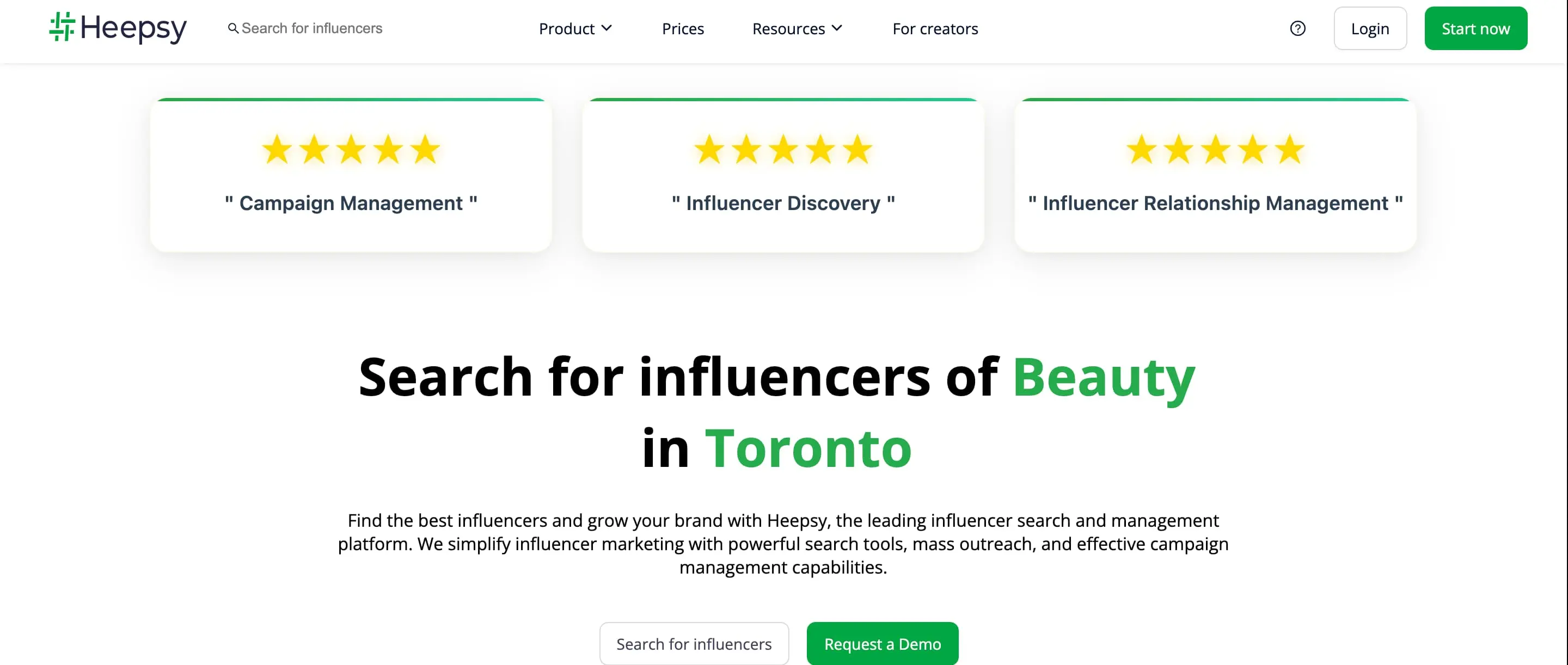
Heepsy is a discovery-first tool offering a massive global influencer database and clear filtering options for niches, geos, and audience authenticity. It is ideal for brands wanting straightforward search combined with outreach and basic tracking.

Key Features

  • Heepsy offers detailed filtering, including location, niche keywords, engagement, and fake-follower analysis.
  • It provides full influencer profiles with engagement metrics, audience demographics, and past collaborations.
  • The platform includes a Kanban-style CRM board to manage campaign stages visually.
  • Its Advanced plan integrates with Shopify for affiliate code tracking and conversion reporting.

Pricing

Monthly, 6-month, and annual plans available (varies by tier).

Drawbacks

  • Some analytics (like revenue) require the higher-tier plan.
  • Outreach tools lack AI automation.
  • Fake-follower detection is an estimate, not precise.

Why It’s a Good Alternative to Olapic

Heepsy gives brands strong creator discovery and clear campaign workflows that Olapic lacks, making it better suited for teams needing search, analytics, and pipeline management.
8. HypeAuditor

<img src="social-native-alternatives-hypeauditor-overview" alt="Olapic (Now Social Native) Alternatives HypeAuditor Overview”>

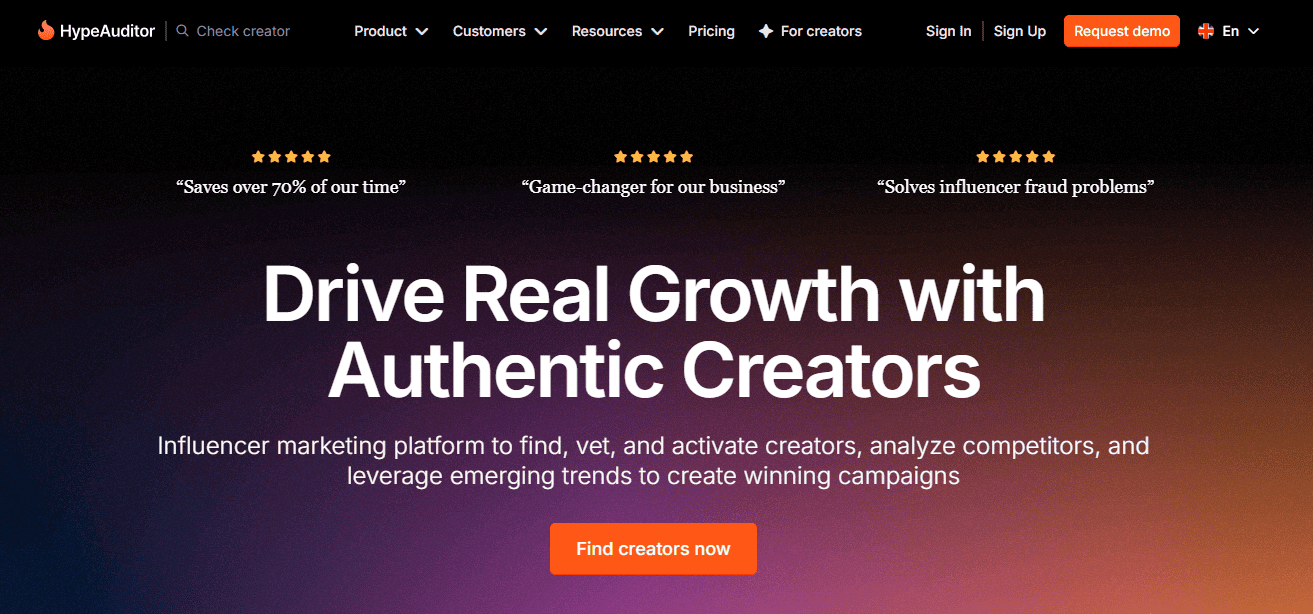
HypeAuditor specializes in influencer authenticity, audience quality, and fraud detection, making it one of the strongest tools for teams concerned with data accuracy. It covers multiple platforms and offers both discovery and campaign management features.

Key Features

  • The platform offers AI-powered influencer discovery across demographic, keyword, category, and brand safety filters.
  • It includes detailed quality scores, audience authenticity metrics, and lookalike search capabilities.
  • HypeAuditor provides outreach through email, DMs, and an internal messaging tool integrated with your inbox.
  • It supports draft approvals, contract handling, and branded guidelines within each influencer card.

Pricing

Custom pricing with free trials available.

Drawbacks

  • Sales and affiliate tracking are limited.
  • Some analytics require manual uploads from influencers.
  • The platform UI may feel complex for first-time users.

Why It’s a Good Alternative to Olapic

HypeAuditor’s deep authenticity and safety insights far surpass Olapic’s capabilities, making it a strong choice for brands prioritizing quality and compliance in their creator programs.

9. Aspire

<img src="social-native-alternatives-aspire-overview" alt="Olapic (Now Social Native) Alternatives Aspire Overview”>

Aspire is a full-service influencer marketing platform offering discovery, creator applications, CRM workflows, gifting, sales tracking, and content rights management. It is known for its inbound marketplace and strong eCommerce integrations.

Key Features

  • Aspire offers first-party data integrations with Meta, TikTok, and Pinterest for accurate audience insights.
  • Its creator marketplace allows over one million creators to apply directly to brand campaigns.
  • The platform automates workflows across contracts, approvals, gifting, and follow-ups.
  • Aspire integrates with Shopify to support product gifting, affiliate code creation, and sales attribution.

Pricing

Around $2,300/month for mid-tier plans.

Drawbacks

  • Pricing can be high for smaller teams.
  • Payment processing is not fully built-in outside commissions.
  • Limited support for smaller platforms like Twitch.

Why It’s a Good Alternative to Olapic

Aspire offers an extensive inbound creator ecosystem and workflow automation that Olapic lacks, making it a much more comprehensive tool for brands scaling influencer operations.
10. Upfluence

<img src="social-native-alternatives-upfluence-overview" alt="Olapic (Now Social Native) Alternatives Upfluence Overview”>

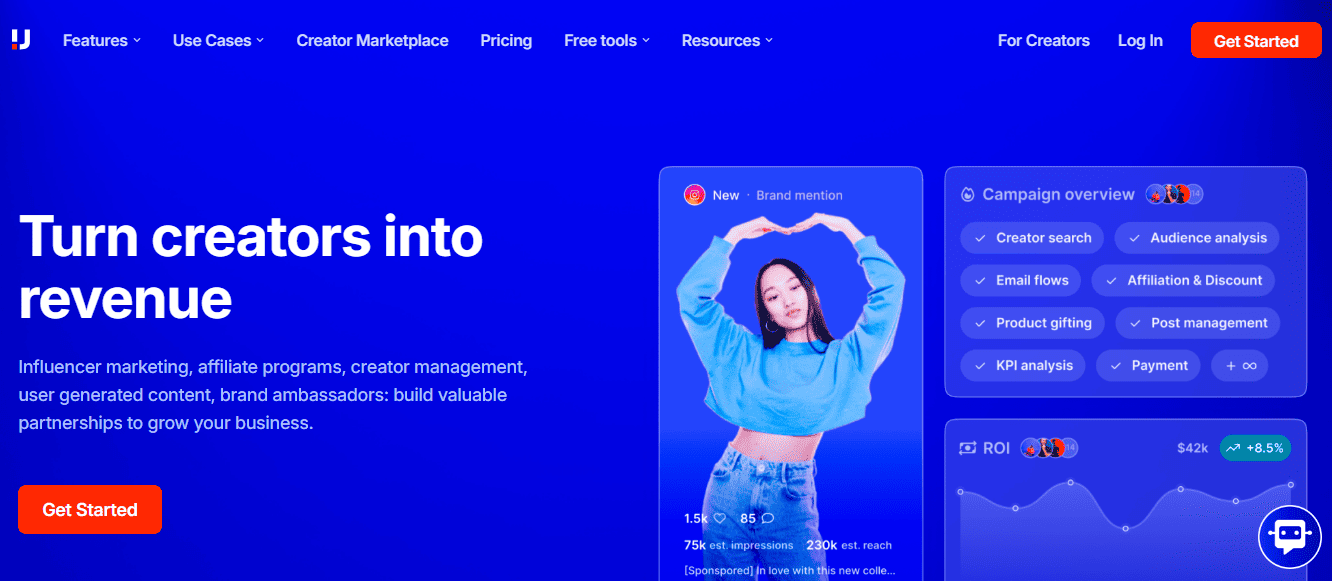
Upfluence is a powerful end-to-end influencer platform known for its eCommerce capabilities, especially for Shopify and Amazon sellers. It provides discovery, outreach automation, affiliate tools, and integrated payments.

Key Features

  • Upfluence offers discovery across 12M+ influencers with strong audience and pricing insights.
  • It provides mass outreach tools with automated drip sequences powered by its AI assistant.
  • The platform integrates with Shopify to identify customer-influencers and manage gifting and affiliate programs.
  • It supports Amazon sales attribution and bulk creator payments directly in the platform.

Pricing

Starts around $1,276/month (annual contract).

Drawbacks

  • Pricing is high and committed annually.
  • Some features feel rigid and not fully editable.
  • Occasional inaccuracies in creator location data.

Why It’s a Good Alternative to Olapic

Upfluence offers advanced eCommerce-led creator workflows, affiliate tracking, product seeding, and ROI measurement, that go far beyond Olapic’s UGC capabilities, making it ideal for revenue-focused brands.

Final Thoughts

Choosing the right Olapic alternative comes down to how much control and visibility your team needs across the full influencer workflow, something today’s platforms deliver far more effectively than Olapic’s legacy UGC model. 

Whether your priority is accurate creator discovery, deeper analytics, streamlined gifting, or a full CRM-backed workflow, the tools in this list offer more modern, scalable solutions for brands of all sizes.

At NC Media, we help brands evaluate these platforms every day, ensuring they select software that supports long-term growth rather than short-term fixes. By aligning your creator strategy with the right technology, your team can move beyond simple content collection and toward measurable, high-impact influencer programs.

FAQs

1. What is the best alternative to Olapic for full influencer workflow management?

Influencer Hero is one of the strongest full-stack alternatives because it includes discovery, CRM pipelines, automated outreach, gifting, affiliates, UGC collection, and reporting in one platform—capabilities Olapic does not offer.

2. Which Olapic alternative is best for large creator databases and accurate audience insights?

Modash is ideal thanks to its 350M+ public creator profiles and advanced audience authenticity checks, making it far more suitable for teams needing accurate, large-scale discovery.

3. What is the best enterprise-level substitute for Olapic?

CreatorIQ is the leading enterprise choice, offering deep data integrations, advanced reporting, secure payments, and governance tools for global teams.

4. Which Olapic alternative is best for eCommerce brands using Shopify?

Upfluence, Aspire, and Modash all provide strong Shopify integrations, but Upfluence’s customer-influencer matching and affiliate tracking make it especially effective for sales-driven programs.

5. Why would a brand switch from Olapic to a modern influencer platform?

Brands often upgrade because Olapic is focused on UGC collection, while modern alternatives like Influencer Hero or Aspire offer complete influencer management—discovery, outreach automation, gifting, affiliate tracking, analytics, and ROI measurement.

Articles & News

Stay ahead with insights, trends, and expert perspectives in design, technology, and business innovation.

Explore more Blog
Explore more Blog
We don’t just run campaigns — we craft influencer strategies that drive real impact.

Smarter Influencer Marketing Starts Here

Collaboration ImageCollaboration ImageCollaboration Image