Learn more about the top 10 best Shopmy Alternatives
Discover the top 10 ShopMy alternatives in 2026. Compare features, pricing, and reviews to find the best creator storefront and affiliate tools for your brand.
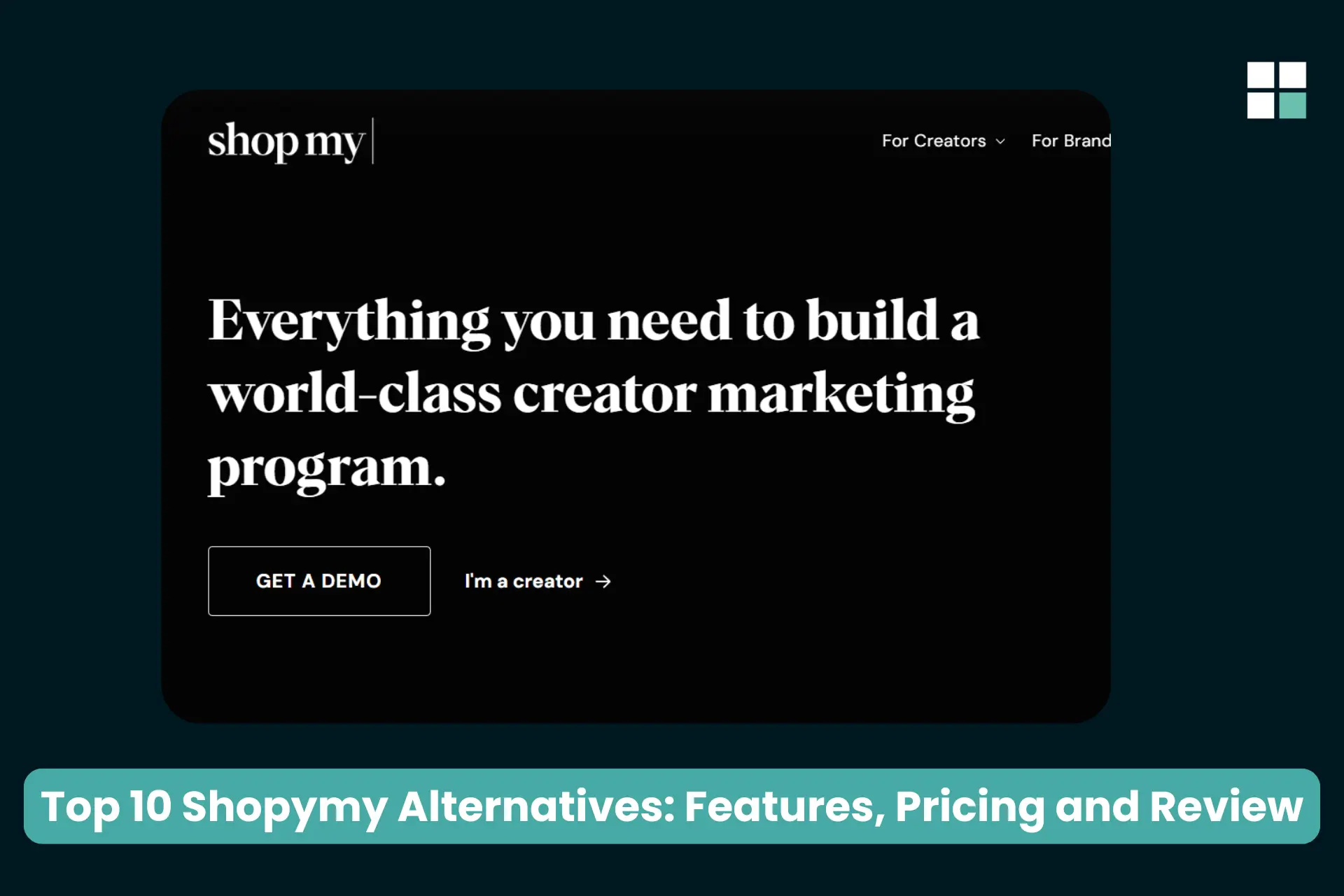
Top 10 Shopmy Alternatives: Features, Pricing and Review
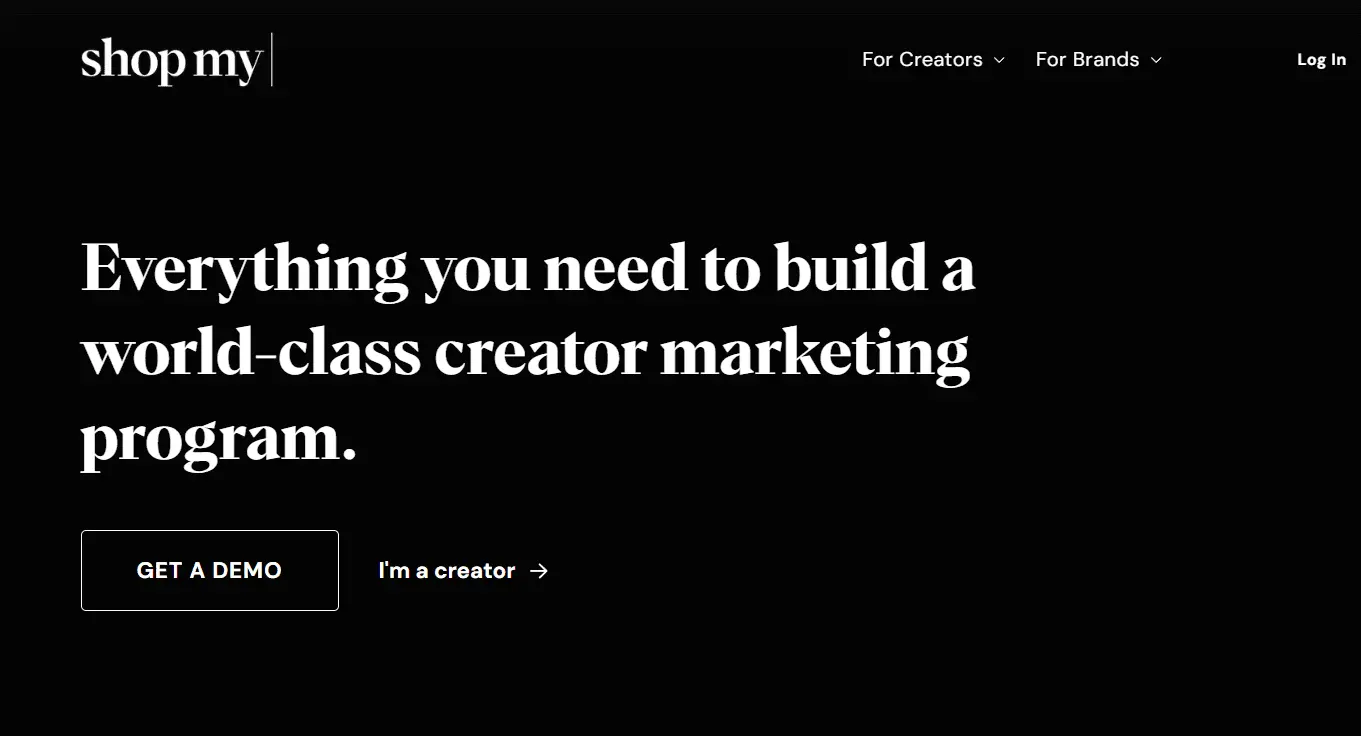
Creators and brands love ShopMy for its clean storefronts, curated product collections, and affiliate link tools—but its limited customization, higher pricing, and lack of broader creator management features often lead users to explore more flexible or full-service alternatives. As affiliate commerce grows, many teams are now looking for platforms that offer deeper analytics, better eCommerce integrations, and tools that support creator discovery, outreach, and performance tracking—not just storefront links.
The good news? There are several powerful ShopMy competitors that provide stronger storefront customization, automated affiliate tracking, multi-platform creator workflows, and real revenue attribution for brands and creators alike. Whether you want a fully branded creator shop, deeper analytics, or an all-in-one platform that manages both creators and sales, today’s landscape offers far more scalable options than what ShopMy alone can provide.
In this guide, we break down the top 10 ShopMy alternatives so you can confidently choose the best platform for your creator storefront, affiliate strategy, and overall brand growth in 2025.
Influencer Hero
Modash
Wednesday.App
Captiv8
Hypeauditor
Later
Traackr
Aspire
Grin
SproutSocial
Quick Shopmy Overview
Pricing
Shopmy offers tiered pricing depending on how brands engage with the platform:
Affiliate Package: $399/month, and it includes platform access, affiliate campaign tools, and storefront integration. Brands also pay creator commission payouts and a 3.9% transaction fee on gross merchandise value (GMV).
Network Access Package – Custom Pricing: For brands using Shopmy’s vetted creator network. Includes a monthly subscription fee, creator commission payouts, and a 2.9% GMV transaction fee to ShopMy.
Shopmy Best Features
Affiliate Storefronts for Creators: Creators can set up curated storefronts to share affiliate links, track sales, and showcase top picks—making it easier for brands to promote products passively and actively through UGC.
Direct Brand Messaging: Streamlined brand-to-creator chat enables faster collaboration and less reliance on third-party platforms or email threads.
Automated Gifting & Campaign Management: Brands can easily send PR packages or samples and manage seeding programs in-platform, reducing manual outreach.
Analytics Dashboard: Real-time metrics for clicks, conversions, and commissions allow brands to track which creators drive the most ROI.
Shopify Integration: Seamlessly connect your eCommerce store to track performance and activate creators directly from your product catalog.
Creator Vetting: Access a vetted network of 40,000+ creators with filters based on niche, engagement, platform, and region.
Shopmy Limitations
Limited Customization: While the storefront is polished, brands may find the design too rigid, with limited options to tailor aesthetics to match specific campaigns or brand guidelines.
Restricted to Approved Creators: Influencers must apply or be invited to join the platform, which can slow down campaign launches and limit the pool of available talent—especially for emerging markets.
Creator Payment Complaints: Multiple influencers have reported late or missing commission payments, which may affect trust and reduce long-term participation—ultimately limiting brand access to motivated creators.
Niche-Focused Network: ShopMy is best known in fashion, beauty, and lifestyle verticals. Brands in tech, wellness, or other specialized areas may struggle to find suitable creator matches.
Best Shopmy Alternatives at Glance
Tool
Best For
Price Starts At
Key Differentiator
Shopmy
Creators and brands that want curated storefronts and shoppable product recommendations
$399/month
Creator-driven storefronts with high-trust recommendations and built-in affiliate monetization
Influencer Hero
Shopify & WooCommerce brands needing an all-in-one suite
$649/month
Full funnel automation: discovery, outreach, CRM, gifting & ROI tracking
Modash
Teams focused on fast influencer discovery & audience insights
$199/month
Strongest creator search engine with deep audience data
Wednesday.App
Agencies wanting specialized influencer discovery & outreach with CRM-style workflows
Strong creator marketplace + robust workflow tools for scaled partnerships
GRIN
D2C brands managing large ambassador & affiliate programs
$2,000/month
Well-known eCommerce-centric influencer CRM
Sprout Social
Brands needing social media management + influencer tools
$1,600/month
Unified social media platform with reporting & influencer discovery
The Most Common Frustrations Teams Have with Shopmy
Shopmy is popular among creators for its clean storefronts and curated product recommendations—but many brands and agencies quickly run into limitations as their affiliate programs grow. As teams scale creator partnerships, product catalogs, and revenue goals, Shopmy’s constraints become much more visible. The most common pain points include:
Limited storefront customization: Shopmy offers polished layouts but doesn’t give brands the flexibility to fully brand pages, embed custom modules, or integrate deeper eCommerce elements.
Shallow analytics for performance tracking: Teams looking for detailed conversions, UTM-level insights, ROI attribution, or per-creator revenue data often find Shopmy’s reporting too simple.
No built-in creator management workflows: There’s no CRM, outreach automation, gifting pipeline, or contract tracking—forcing teams to juggle multiple tools alongside Shopmy.
Not ideal for larger affiliate or ambassador programs: High-volume product seeding, automated link generation, and large-scale creator onboarding are difficult to manage.
Dependency on third-party affiliate networks: Many brands prefer platforms that centralize affiliate codes, payouts, and product tracking instead of relying on multiple external systems.
These challenges often push teams toward Shopmy alternatives that offer stronger analytics, built-in creator management, customizable storefronts, and more scalable affiliate workflows.
10 Best Shopmy Alternatives in 2026
1. Influencer Hero
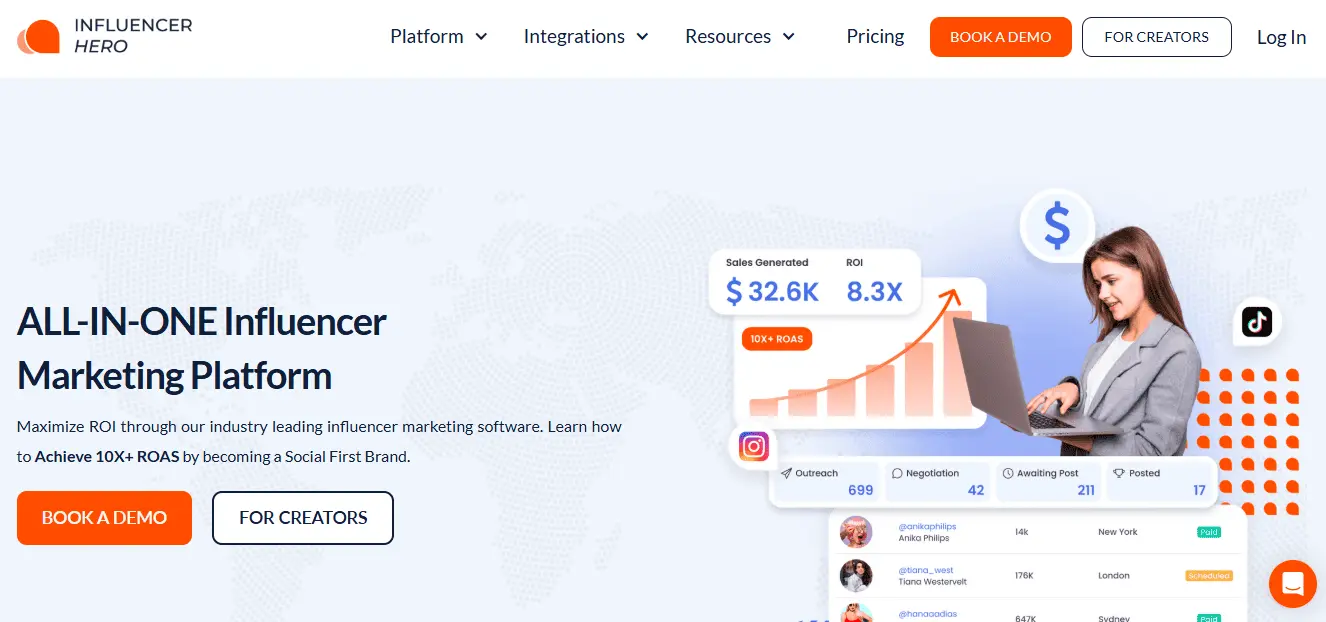
Influencer Hero is an all-in-one influencer marketing platform built for brands that want to scale creator programs with structure, automation, and full-funnel visibility.
Designed for teams ready to move beyond manual spreadsheets, it centralizes discovery, outreach, gifting, UGC, affiliate tracking, and revenue attribution—giving brands complete control over every stage of their creator pipeline. Whether you're managing a few creators or thousands, Influencer Hero provides the infrastructure to run influencer, UGC, and affiliate programs at scale.
Pricing
Influencer Hero offers multiple plans depending on your program size:
Standard Plan — $649/month: Contact up to 1,000 creators per month.
Pro Plan — $1,049/month: Contact up to 5,000 creators per month.
Business Plan — $2,490/month: Contact up to 10,000 creators per month.
Custom & Agency Plans: Tailored pricing based on specific brand needs.
Influencer Hero Best Features
End-to-End Campaign Management: Instead of relying on separate tools for search, outreach, and content tracking, Influencer Hero centralizes everything—discovery, automated outreach, contracts, gifting, payments, content approval, and reporting—making it especially valuable for startups and D2C brands.
Automated & Personalized Outreach: Build multi-step outreach sequences with dynamic personalization and AI suggestions to boost open rates, replies, and creator conversions.
Application Pages & Storefronts: Launch branded creator signup pages and storefronts to generate inbound interest, manage product seeding, and track affiliate-driven revenue.
Chrome Extension With Real-Time Insights: Get instant access to engagement metrics, audience demographics, authenticity checks, and growth insights as you browse social platforms. Add creators to your CRM or campaigns with a single click.
Content & UGC Tracking: The platform automatically gathers all creator content into one searchable library, giving brands a ready-to-use UGC hub for organic posts, paid social, and landing pages. This is especially useful for teams running ad campaigns that require constant creative testing.
Influencer Hero Limitations
Higher Starting Price for Smaller Teams: With plans beginning at $649/month, the platform may feel out of reach for early-stage brands.
Manual UGC Licensing: UGC reuse requires separate agreements—there’s no automated rights management built in.
No Built-In Paid Ad Whitelisting: Whitelisting and boosting require setup through the brand’s ad account, as the platform does not currently include integrated paid amplification tools.
Why It’s a Good Alternative to Shopmy
Influencer Hero is a strong Shopmy alternative because it goes far beyond storefront links. It combines creator discovery, automated outreach, gifting workflows, affiliate code generation, CRM pipelines, and full revenue attribution in one place—eliminating the need for third-party affiliate networks. Teams choose it over Shopmy when they want deeper analytics, custom storefronts, and real conversion tracking for Shopify and WooCommerce.
2. Modash
Modash is a rapidly growing platform built for small teams that need an affordable, easy-to-use solution with strong audience analytics.
It’s an excellent option for startups and brands that value data accuracy and want access to a large, trustworthy influencer database—without the complexity or cost of enterprise-level tools.
Pricing
There are different plans and options.
Essential Plan: Starts at $199/month (is paid annually). Allows you to contact up to 100 creators a month.
Performance Plan: Starts at $499/month (is paid annually). Allows you to contact up to 250 creators a month and gives you access to the Shopify integration.
Enterprise Plan: Custom pricing based on your brand needs.
Modash Best Features
Find Your Fans Feature: The platform automatically identifies creators who are already following your brand and therefore are more likely to partner with you.
Massive Creator Database: Tap into 350M+ profiles without needing opt-ins.
Real-time Campaign Content Tracking: All influencer content made around your campaign is collected and analyzed live.
Shopify Centric Affiliate Automation: If your business runs on Shopify, you can manage all in one place. Set up gifting campaigns, creating discount codes and affiliate links and managing payouts.
Modash Limitations
Shopify-Only Gifting & Tracking: The platform integrates exclusively with Shopify, with no support for WooCommerce or other major eCommerce systems.
No Built-In Content Licensing Tools: Brands must negotiate UGC reuse and licensing rights manually, as there are no automated licensing workflows.
Limited eCommerce Coverage: Beyond Shopify, Modash does not support product gifting, order management, or sales attribution, limiting its capabilities for non-Shopify brands.
Why It’s a Good Alternative to Shopmy
Modash is a good alternative to Shopmy for brands that want high-quality creator sourcing and data rather than just storefront pages. With advanced audience insights, authenticity scoring, and fast influencer discovery across Instagram, TikTok, and YouTube, Modash helps teams find the right creators before driving any affiliate traffic. It’s often chosen over Shopmy when accuracy and creator vetting matter more than storefront curation.
3. Wednesday.App
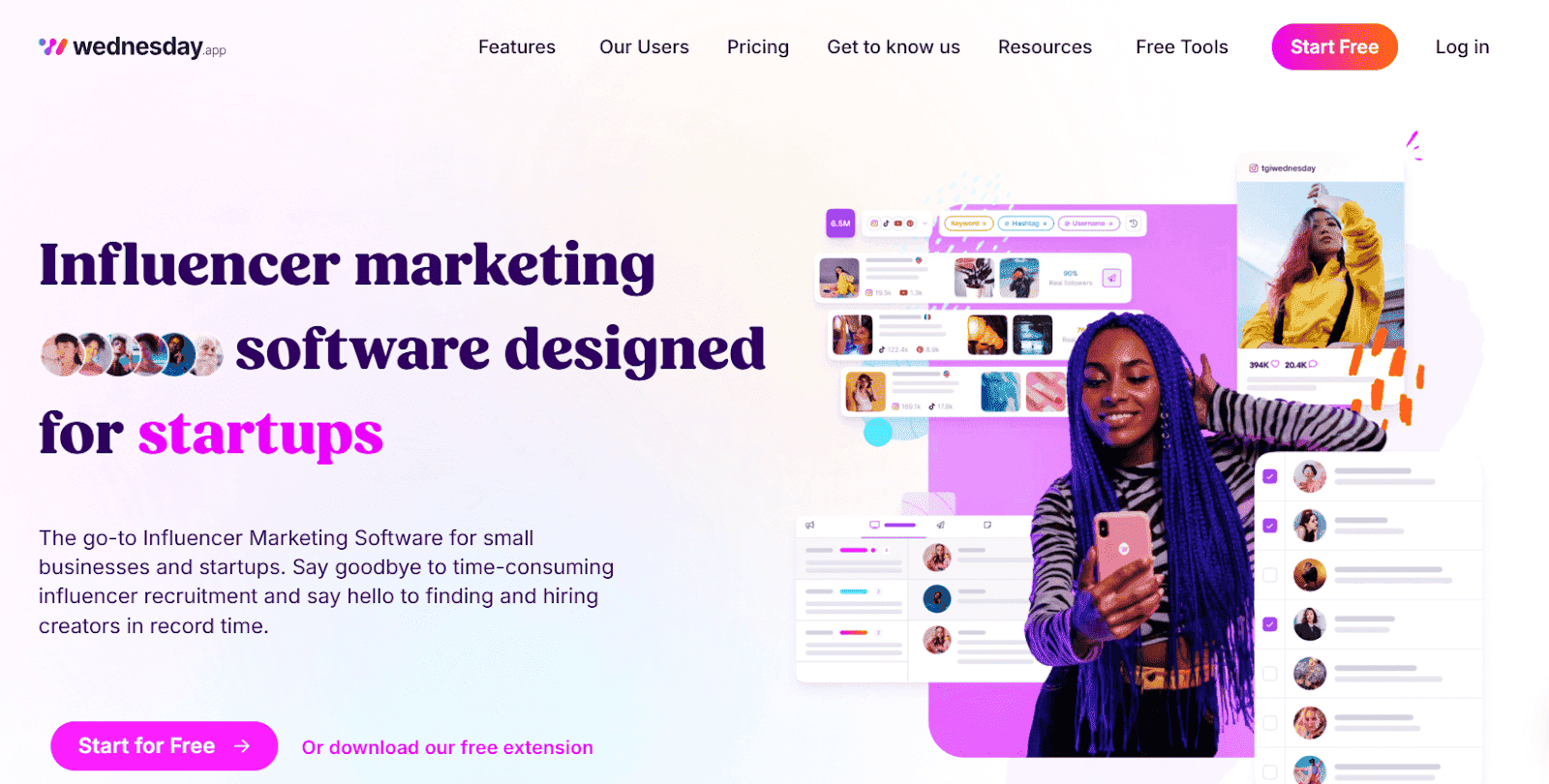
Wednesday.app is a lightweight influencer discovery and outreach platform designed for agencies and small teams that need something affordable, fast, and easy to use—without the complexity of enterprise tools.
Covering Instagram, TikTok, YouTube, Twitter, and Facebook, it combines AI-powered search, built-in messaging, and CRM features, making it a practical option for micro-influencer campaigns and high-volume outreach workflows.
Pricing
Wednesday.app offers flexible, budget-friendly plans, including a generous free tier:
AI-Powered Influencer Discovery: Advanced filters make it easy for agencies to identify creators by niche, demographics, engagement, and platform—ideal for lean teams prioritizing speed over deep enterprise data.
Integrated Messaging With Gmail/Outlook Sync: Teams can message creators directly inside the platform, with email syncing available on higher tiers. This eliminates switching between multiple inboxes during outreach.
Campaign Collaboration Tools: Paid plans include shared workspaces, briefs, contract templates, and progress tracking, giving agencies a centralized system without the cost of enterprise software.
ChatGPT-Powered Outreach: The built-in AI assistant helps write personalized outreach messages and follow-ups, improving response rates and saving hours of manual copywriting.
No-Code Onboarding & Simple Interface: The platform is clean, intuitive, and quick to adopt—perfect for small agencies without technical resources. Most teams can get fully operational within minutes.
Wednesday.app Limitations
Free Plan Limitations: The free tier caps searches, profiles, and conversations, making it insufficient for daily or large-scale campaigns.
No Chrome Extension: There’s no browser extension for real-time creator vetting while scrolling through social platforms.
Not Built for Enterprise Needs: Lacks automation, advanced reporting, and complex workflows required by larger organizations.
Manual FTC Compliance: Creators’ disclosures must be monitored manually—no automated compliance features.
Extra Cost for Additional Seats: Team collaboration becomes more expensive on lower-tier plans due to additional seat fees.
Why It’s a Good Alternative to Shopmy
Wednesday is a solid Shopmy alternative for small brands or startups looking for a simple but functional creator management tool. Unlike Shopmy, Wednesday includes influencer CRM, product seeding management, link tracking, and collaboration tools in one affordable package. It’s chosen by teams that want lightweight storefront capabilities with more campaign structure than Shopmy offers.
4. Captiv8
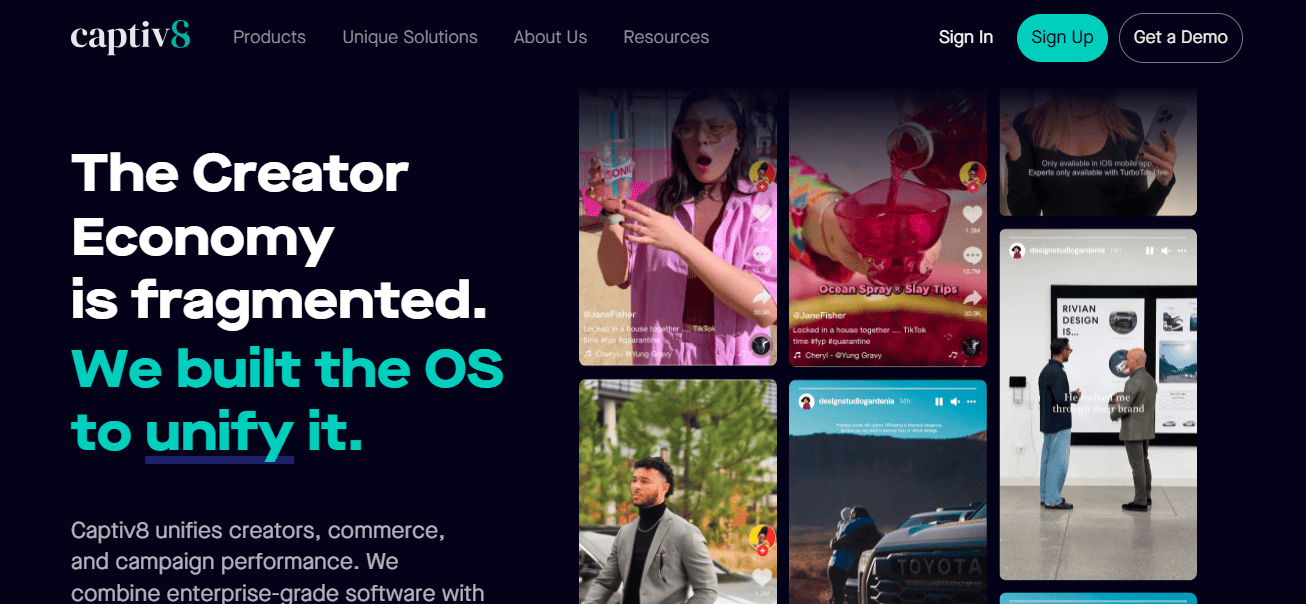
Captiv8 offers enterprise-grade tools for running creator campaigns at scale, combining advanced technology with deep analytics.
It’s a strong fit for large brands that need powerful influencer discovery, built-in social listening, and AI-driven insights for trend forecasting, brand safety, and data-backed decision-making.
Pricing
There are different pricing options:
$25,000 annually (with an annual commitment only)
$3,000 one-time onboarding fee
$20,000-$30,000 per month for storefront + affiliate program (enterprise-level managed services)
Captiv8 Best Features
Influencer Discovery: Search across 15M+ creators using advanced filters like interests, location, audience demographics, and safety scores to ensure every creator aligns with your campaign needs.
Sentiment Analysis: Evaluate whether a creator’s content trends positive, neutral, or negative, helping brands ensure tone, values, and messaging consistency before partnering.
Global Brand Mentions: Monitor mentions of your brand—or your competitors—across posts, captions, and hashtags to uncover potential creator partners and emerging opportunities.
Competitive Intelligence: See which influencers your competitors collaborate with and track global mention trends to inform smarter, data-backed campaign decisions.
Team Collaboration: Manage multiple campaigns seamlessly with shared workspaces, in-platform messaging, and built-in approval workflows.
Captiv8 Limitations
Poor Customer Service: Both brands and creators often complain about the slow response rates whenever there’s an issue.
Limited Integrations: Only supports Shopify and Refersion, lacks broader integrations (e.g., Amazon, WooCommerce).
Payment Issues: Reports of problems with payouts and deposits affecting creators and brands.
Why It’s a Good Alternative to Shopmy
Captiv8 is often selected over Shopmy by brands needing enterprise features like creator discovery, content rights tracking, AI-powered insights, and campaign reporting. While Shopmy focuses on storefront displays, Captiv8 supports full-funnel influencer campaigns—from sourcing and negotiations to analytics and performance. It’s ideal for teams that need more than just affiliate link management.
5. HypeAuditor
HypeAuditor is a top choice for brands that prioritize transparency, audience authenticity, and fraud detection in their influencer programs.
With highly accurate data, robust audit tools, and deep audience insights, it’s especially valuable for teams scaling their efforts and needing reliable, verification-focused analytics to guide decisions.
Pricing
HypeAuditor’s pricing is customizable, with the standard “Business” plan starting at around $10,000/year. Pricing can be adjusted based on the number of reports, active campaigns, and platform usage. They also offer a 24–48 hour free trial for new users.
HypeAuditor Best Features
AI-Powered Discovery: The platform analyzes bios, captions and images to accurately categorize creators.
Social Listening & competitor Tracking: Discover influencers already mentioning your brand or competitors, making it easier to build real partnerships.
Flexible Pricing: HypeAuditor offers modular plans plus a free trial period, making it easy for brands to test before committing.
Branded Application Pages: Create custom landing pages where influencers can apply directly to your campaigns—ideal for inbound sourcing.
Omnichannel Outreach: Contact creators via email, DM, or HypeAuditor’s built-in CRM and manage briefs, contracts, and approvals in one streamlined workflow.
HypeAuditor Limitations
Steep Learning Curve: Because the platform is packed with advanced features, teams often need onboarding and training to use it efficiently.
Manual Affiliate Reporting: Some areas—particularly affiliate performance tracking—still require manual data entry, which can slow down reporting workflows.
Limited Creator Opt-In Pool: Only around 200K influencers have opted into direct applications, which is relatively small compared to the 200M+ profiles available in the full discovery database.
Why It’s a Good Alternative to Shopmy
HypeAuditor is a good alternative to Shopmy for teams that prioritize trust, data quality, and audience authenticity. Shopmy offers basic performance metrics, but HypeAuditor gives brands deep audience analysis, fraud detection, and competitive benchmarking. It’s chosen by brands that want to ensure the creators promoting their storefront products have real, engaged audiences.
6. Later
Later is an influencer marketing and social media management platform that helps brands discover creators, run campaigns, and measure performance across channels.
It’s particularly useful for teams that want influencer tools combined with scheduling, content planning, and analytics in a single, unified workspace.
Pricing
All plans come with an additional one-time onboarding fee of $5,000 for all new customers.
Essentials Plan: Starts at $28,500/year. Best for brands starting in influencer marketing.
Pro Plan: Starts at $42,000/year. Best for data and automation to make your campaigns run faster and achieve better ROI.
Premier Plan: Starts at $60,000/year. Everything you need for a scaled influencer program.
Later Best Features
AI-Powered Discovery: Later uses machine learning to surface high-fit creators by analyzing keywords, audience insights, and content themes—helping brands uncover niche segments they might otherwise overlook.
Advanced Sourcing Support: For teams that prefer a hands-off approach, Later’s internal experts can source creators based on your campaign brief, removing time-consuming manual work.
Hybrid Campaign Flexibility: You can run campaigns entirely in-house or combine your efforts with Later’s managed services, giving you the freedom to scale support up or down depending on bandwidth.
Brand Safety & Authenticity Checks: Creator profiles include fake-follower audits, engagement quality metrics, and flagged-content alerts, ensuring you can verify trustworthiness before partnering.
Custom Creator Application Pages: Build branded landing pages where creators can apply directly to your campaigns—ideal for capturing inbound interest from your site, emails, or social DMs.
Later Limitations
Limited Differentiation: Many of its features feel fairly basic compared to leading influencer platforms, offering little that truly stands out.
Essential Tools Locked Behind Paywalls: Most of the capabilities brands actually need sit in the higher-priced tiers, making upgrades almost unavoidable.
Slow Implementation Timeline: Onboarding can take 4–6 weeks, which delays campaign execution for teams that need to move quickly.
No Support for Paid Amplification: The platform lacks built-in tools for boosting creator content as ads or running whitelisted campaigns.
Why It’s a Good Alternative to Shopmy
Later is a strong Shopmy alternative thanks to its integrated link-in-bio storefront, visual social planner, scheduling tools, and analytics. Its Linkin.bio feature allows auto-updated shoppable galleries from Instagram posts—something Shopmy doesn’t offer. Brands choose Later when they want a unified system for content planning, publishing, and driving traffic, instead of using Shopmy only for product links.
7. Traackr
Traackr is a data-driven influencer marketing platform built to help brands drive measurable growth through advanced analytics and structured workflows.
With its emphasis on global campaign management, influencer relationship tracking, and ROI measurement, it’s a strong choice for enterprise teams that value precision, performance, and deep creator insights.
Pricing
All plans are custom made, so you pay only for what you need and nothing else. Plans usually start at $32,500/year.
Traackr Best Features
Brand Vitality Score: This unique metric blends visibility, impact and brand trust into one score, giving you a clear view of how your brand stacks up against the competition.
Budget Calculator: Tracckr includes a built-in calculator that helps you estimate how much to invest in each creator by analyzing their historical performance data.
Full Lifecycle Management: Traackr combines influencer discovery, CRM, gifting, affiliate management and campaign reporting all under the same roof.
Top-Tier Customer Success: The platform offers personalized onboarding, strategic consulting sessions and responsive support.
Global Performance Benchmarking: Access industry-wide benchmarks from thousands of brands and millions of influencers to compare your campaign results by vertical, region, or format—helping teams identify gaps and growth opportunities
Traackr Limitations
Steep Learning Curve: Its advanced, data-heavy features can feel overwhelming at first, requiring time and training for teams to fully master.
High Pricing & Annual Commitment: With entry pricing around $32,500 per year—and mandatory 12-month contracts—Traackr can be cost-prohibitive for smaller or mid-sized brands.
Limited Niche Coverage: While strong for established creators, the platform may lack coverage of emerging or niche micro-influencers in certain verticals.
Why It’s a Good Alternative to Shopmy
Traackr is chosen over Shopmy by teams needing deeper influencer relationship management and spend analytics. While Shopmy focuses on curated product collections, Traackr helps brands measure influence, track long-term creator performance, and benchmark market trends. It’s especially appealing to mid-size and enterprise teams that need governance, budgeting tools, and strategic decision-making support.
8. Aspire
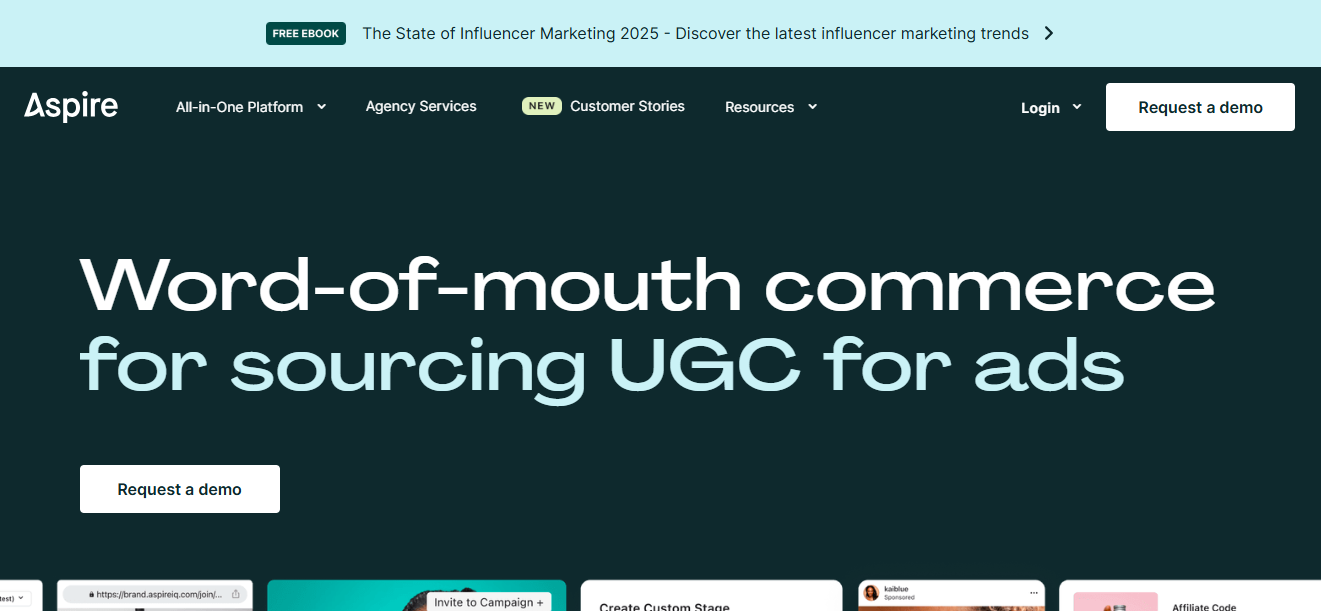
Aspire is an influencer marketing platform that helps brands manage creator campaigns end to end—from discovery and gifting to content approvals and sales tracking.
It’s designed to streamline workflows, simplify collaboration, and improve ROI for teams looking to scale their influencer programs efficiently.
Pricing
Aspire’s pricing generally works on tiered plans tailored to your brand’s needs, so costs may vary depending on your specific requirements.
Essentials Plan: Starts at $2,299 per month on a 12-month contract, totaling $27,588 annually, plus a one-time onboarding fee of $2,000, bringing the first-year investment to $29,588.
Aspire Best Features
Dual Discovery Model: Combine advanced creator search with Aspire’s inbound marketplace of over 1M influencers actively applying to campaigns—giving brands both outreach and opt-in sourcing options.
Shopify Gifting & Affiliate Tools: Generate promo codes, manage gifting carts, track affiliate sales, and handle payouts directly inside the platform, creating a seamless eCommerce workflow.
Comprehensive Workflow & CRM: Manage contracts, briefs, automated follow-ups, content approvals, and campaign tracking in one centralized system, reducing the need for multiple tools.
Creator Stores: Enable influencers to build curated storefronts featuring your products, helping increase organic conversions and long-term brand partnerships.
Robust UGC Licensing: Use built-in digital term sheets to secure rights for ads, paid social, and multi-channel campaigns—making content reuse fast and legally compliant.
AI & Social Listening: Find lookalike creators, identify influencers already talking about your brand, and surface new opportunities through AI-powered recommendations and social listening tools.
Aspire Limitations
High Starting Price: Plans typically start around $2,000–$2,300/month on annual contracts, which can be a barrier for smaller brands.
No Mobile App: Makes managing campaigns on the go more challenging.
Occasional Performance Issues: Some users report slow load times or minor integration hiccups.
Platform Focus: Primarily optimized for Instagram, TikTok, and YouTube, with limited emphasis on platforms like Twitch or LinkedIn.
Light AI for Outreach: While there are templates and some AI support, many brands still rely on external tools (like ChatGPT) to draft content.
Why It’s a Good Alternative to Shopmy
Aspire is a good alternative to Shopmy because it offers full influencer workflow automation—creator search, product seeding, UGC sourcing, affiliate tracking, and campaign reporting. Unlike Shopmy’s narrow focus on storefront pages, Aspire supports complete activation cycles from outreach to performance measurement. Brands choose Aspire when they need full campaign infrastructure, not just monetizable product lists.
9. GRIN
GRIN is particularly strong for teams relying on Shopify integrations and needing end-to-end workflow management—from discovery and outreach to product seeding, content tracking, and revenue attribution.
GRIN shines when your priority is streamlining operations and connecting creator performance directly to store sales.
Pricing
Fixed pricing: Starts at $25,000/year (with monthly payment options available).
Additional plans: Can range up to $10,000+/year depending on features and volume.
GRIN Best Features
All-In-One Stack Integration: GRIN seamlessly connects with tools like Shopify, Klaviyo, PayPal, DocuSign, Slack, Gmail and Outlook, gathering all your marketing operations into one platform.
eCommerce Native: GRIN is designed for brands with large product catalogs, handling everything from product seeding to sales-based commissions.
Strong eCommerce integrations: Direct Shopify, WooCommerce, Magento links let you auto-track sales, gifting impact, and affiliate performance
Branded Application Pages: Lets influencers apply directly to campaigns, enhancing reach and opt-in recruitment.
UGC Collection: Personalized portals for uploads, plus whitelisting for paid ad integration.
GRIN Limitations
High Costs & Annual Commitments: Plans typically start around $2–2.5K per month and require full-year contracts, which can be restrictive for smaller teams or brands scaling quickly.
Performance & Stability Issues: Users often report slow load times, glitches, and occasional platform crashes—especially during bulk uploads or heavier workflow periods.
Inconsistent Customer Support: Support response times can vary, with recurring complaints about delays, limited assistance, and unresolved billing concerns.
Why It’s a Good Alternative to Shopmy
Grin is selected over Shopmy by eCommerce brands that need fully integrated affiliate and ambassador programs. With Shopify/WooCommerce integrations, automated discount codes, product fulfillment, and sales tracking, Grin delivers a performance-focused ecosystem that Shopmy can’t match. It’s ideal for teams wanting to scale revenue-driven creator programs rather than relying on simple affiliate storefronts.
10 . Sprout Social
Sprout Social (formerly Tagger) is a strong fit for brands already using the Sprout ecosystem and looking to integrate influencer marketing with broader social analytics.
It’s a reliable mid-market option for creator discovery, campaign management, and reporting—ideal for teams that want all social and influencer operations unified within a single platform.
Pricing
Sprout Social’s pricing varies by team size and feature requirements:
Base Plan — Starts around $1,600/month per user. Additional users cost about $600 each. Although billing can be monthly or annual, a 12-month contract is mandatory.
This means an annual investment of over $19,200 for one user or $25,200 for a two-person team.
Sprout Social Best Features
Advanced Discovery Filters: Search creators by age, region, engagement, audience traits, and more, helping brands identify precise campaign matches.
Brand Fit & Safety AI: Affinity scoring evaluates how well a creator aligns with your brand’s values, tone, and audience—reducing risks and improving selection accuracy.
Content Approval Workflow: Creators submit draft content directly inside the platform for review, giving brands full oversight and final approval before anything goes live.
Competitive Benchmarking & EMV Reporting: Custom dashboards compare your performance against competitors and highlight Earned Media Value, audience insights, and effectiveness of creator content in real time.
Sprout Social Limitations
High Cost & Annual Contract: Starts at $1,599 per user per month with a mandatory 12-month commitment—making it one of the most expensive mid-market options.
Shopify-Only Integrations: Gifting, promo codes, and affiliate tracking work only with Shopify, limiting flexibility for brands on other eCommerce platforms.
Limited UGC Licensing: The platform lacks automated rights management, meaning all UGC licensing must be handled manually.
Why It’s a Good Alternative to Shopmy
Sprout Social is a good alternative to Shopmy because it ties social publishing, analytics, influencer workflows, and link features into one centralized platform. Teams choose it when they want a holistic social strategy tool rather than a standalone storefront. It’s especially useful for brands that need advanced reporting, team collaboration, and unified content + influencer management.
Final Thoughts
Choosing the right Shopmy alternative depends on whether your team needs stronger analytics, more customizable storefronts, deeper creator management tools, or full affiliate automation. Platforms like Influencer Hero stand out for offering a complete ecosystem—creator discovery, outreach, gifting, storefronts, affiliate tracking, and real revenue attribution—far beyond Shopmy’s limited feature set. Data-driven brands may lean toward Modash, HypeAuditor, or Traackr, while options like Later, Captiv8, and Grin are better suited for larger teams or those needing robust multi-channel workflows.
Ultimately, the best platform is the one that aligns with how you run creator partnerships today and how you plan to scale in 2025. If you need support choosing the right tool or building a more performance-driven creator strategy, NC Media can help you execute with clarity, structure, and data-backed results.
FAQ
What is the best alternative to Shopmy for creator storefronts?
Influencer Hero is a top choice because it combines custom storefronts with affiliate tracking, automated outreach, gifting, and real sales attribution.
Which Shopmy alternative offers the best analytics?
Modash, HypeAuditor, and Traackr provide the most advanced insights, including audience authenticity, demographic data, and performance benchmarking.
What is the most affordable alternative to Shopmy?
Wednesday.App and Later offer budget-friendly plans while still giving brands better workflow and analytics capabilities than Shopmy.
Which Shopmy alternative is best for eCommerce brands?
Influencer Hero and Grin offer deep Shopify/WooCommerce integrations, automated codes, and revenue tracking—features Shopmy doesn’t provide natively.
Do any Shopmy alternatives support full influencer campaign management?
Yes. Influencer Hero, Aspire, Captiv8, and Sprout Social offer complete workflows including sourcing, CRM, messaging, gifting, and performance reporting.
Articles & News
Stay ahead with insights, trends, and expert perspectives in design, technology, and business innovation.


%20(1).jpg)












.png)