Table Of Content
h1, h2
Insense Preise 2026: Pläne ab $500/mo, Creator-Zahlungen & 7–20% Gebühren. Kosten, Bewertungen, Alternativen & Agentur-Option.


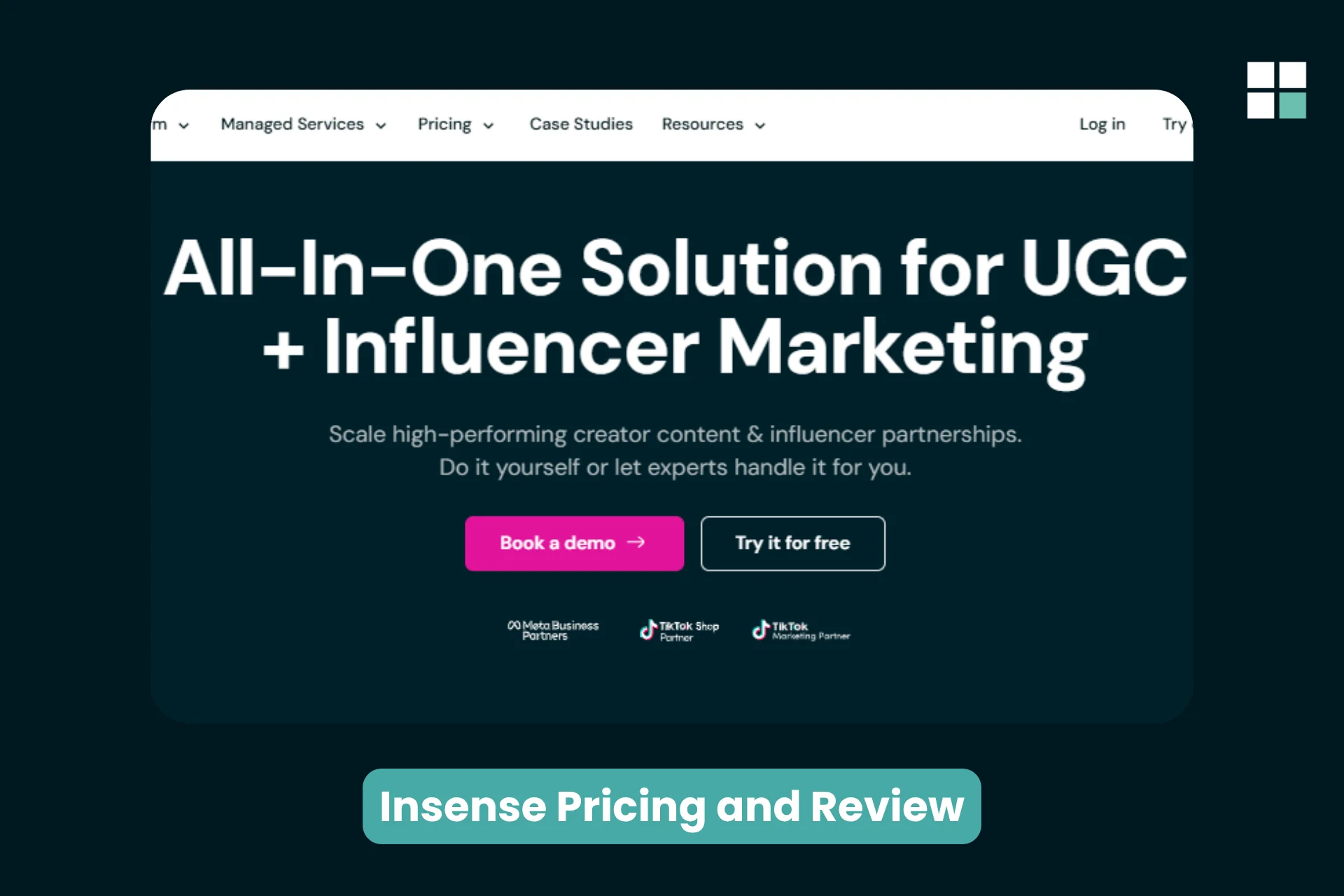
Table Of Content
Insense kostet ab $650 für einen einmonatigen Test, mit Self-Service-Plänen ab $500/Monat (vierteljährliche Abrechnung) und Managed Service ab $1.800/Monat. Aber das Abonnement ist nur die halbe Geschichte — Creator-Zahlungen sind separat, und Insense berechnet auf jede einzelne zusätzlich eine 7–20%ige Marketplace-Gebühr.
Das macht die realen monatlichen Kosten deutlich höher als der angegebene Preis. Eine wachsende Marke, die ein paar Kampagnen durchführt, muss realistisch mit $2.000–$3.800/Monat rechnen, wenn Creator-Zahlungen und Gebühren eingerechnet werden.
Insense ist eine UGC-fokussierte Plattform, die für Shopify und D2C Brands konzipiert wurde, um Creator-Content für bezahlte Social Media zu beziehen. Im Folgenden schlüsseln wir die tatsächlichen Kosten, die Bewertungen auf und ob eine Full-Service-Agentur dich schneller zu performantem Content bringt — ohne die Gebührenstaffeln.
Insense teilt sich in zwei Kostenkomponenten auf: ein Abonnement für den Plattformzugriff und separate Zahlungen an Creator mit einer hinzugefügten Marketplace Gebühr. Das Abonnement hat keine monatliche Option — es sei denn, du zahlst per Kreditkarte. Bei Rechnungsstellung ist ein 3-Monats-Minimum erforderlich.
Hier sind die aktuellen Self-Service- und Managed-Pläne:
| Plan | Preis | Marketplace-Gebühr |
|---|---|---|
| Test-Monat | $650 (nur ein Monat) | 20% |
| Brand (Self-Service) | Ab $500/Mo (vierteljährliche Abrechnung) | ~10% |
| Agentur (Self-Service) | Ab $800/Mo (bis zu 5 Brands) | ~10% |
| Managed Service | Ab $1.800/Mo | ~10% |
Der Test-Monat soll dir ermöglichen, Insense einen Monat lang zu testen, bevor du dich auf einen längerfristigen Plan festlegst. Er ist monatlich gerechnet am teuersten und mit der höchsten Marketplace-Gebühr verbunden — es ist also eher eine Kostprobe als ein Schnäppchen.
Das ist der Kern-Self-Service-Plan für eine einzelne Brand. Du bekommst den Marketplace, Kampagnen-Tools und Ad-Aktivierung, aber dein Team schreibt die Briefs, prüft Creator, verwaltet Überarbeitungen und verwandelt den Raw-Content in Anzeigen. Die Plattform organisiert den Workflow — du führst ihn aus.
Entwickelt für Agenturen oder Multi-Brand-Betreiber, die mehrere Konten unter einem Abonnement verwalten möchten. Gleiches Hands-on-Modell wie der Brand-Plan, nur für mehrere Brands.
Das ist Insenses Done-for-You-Tier, bei dem ihr Team Creator sorgfältig auswählt und Strategie lenkt. Es gleicht eher einem Agentur-Modell, läuft aber immer noch im Insense Marketplace und in der Gebührenstruktur.
Das, was oft übersehen wird: Creator-Zahlungen sind in keinem Plan enthalten. UGC-Videos kosten ab etwa $100 pro Stück, Nano-Influencer-Posts ab $125, und die 7–20%ige Marketplace-Gebühr gilt für jede Zahlung. Das Abonnement öffnet dir die Tür — das echte Budget ist, was du für Creator und Gebühren ausgibst.
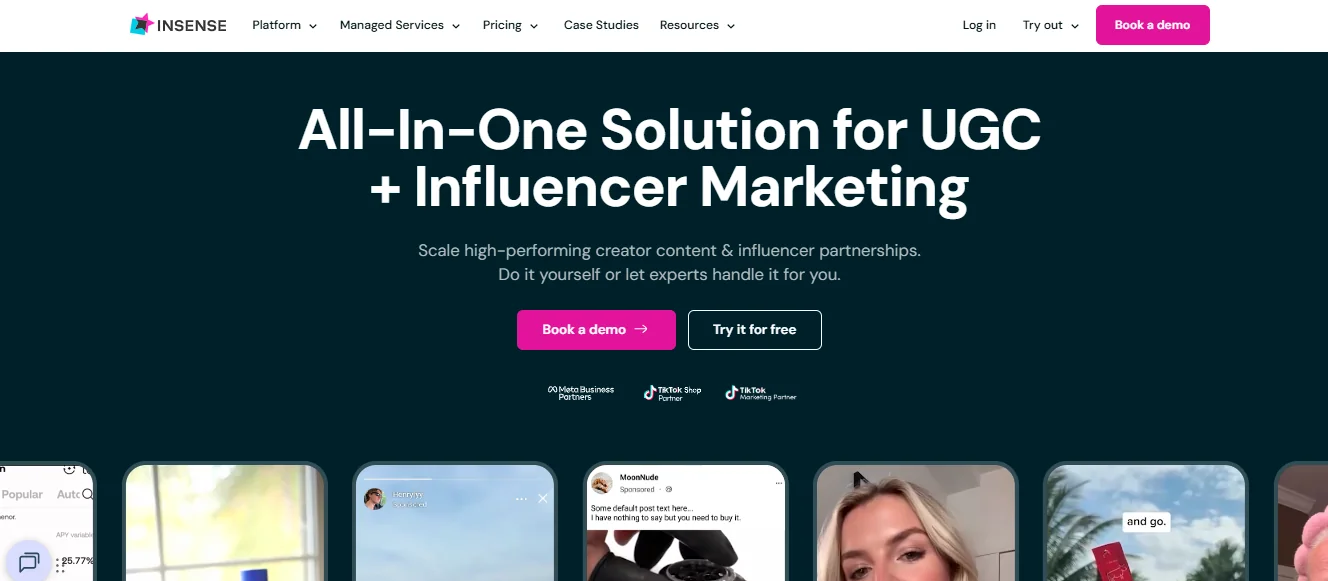
Insense ist eine Plattform für nutzergenerierten Content und Influencer Marketing, die D2C- und Shopify-Brands mit einem geprüften Creator-Marketplace auf Instagram und TikTok verbindet. Sie ist Partner von TikTok und Meta und ist speziell für die Produktion von Content für bezahlte Social Media konzipiert — nicht für breite Influencer-Awareness-Kampagnen.
Sie richtet sich an E-Commerce-Brands mit ungefähr $50K–$500K monatlichem Umsatz, die eine konstante Pipeline von Ad-ready Creative benötigen. Mehr als 1.700 Brands haben sie bereits genutzt, und sie deckt UGC, Creator Ads, Spark Ads, Whitelisting, Seeding, Affiliate und TikTok Shop in einem Workflow ab.
Insense hat auf G2 eine Bewertung von 4,5 Sternen aus etwa 370 Rezensionen, mit einer stark kleinen Geschäftsklientel. Nutzer loben regelmäßig die einfache Bedienung, das schnelle Setup und die Vielfalt der Creator und Kampagnenmöglichkeiten.
Die häufigste Kritik ist, dass die Creator-Qualität variiert, was mehr Zeit für die Überprüfung und Verwaltung von Überarbeitungen bedeutet, um die richtigen Übereinstimmungen zu finden. Rezensenten weisen auch auf die Kosten hin — wenn Sie Abonnement, Creator-Zahlungen und Marktplatzgebühren zusammenrechnen, addiert sich das schneller als der angekündigte Preis vermuten lässt.
Ein G2-Rezensent vermerkt, dass die Briefs klar sind und der Workflow von Anfang bis Ende leicht zu befolgen ist. Auf Trustpilot ist die Stimmung auf Creator-Seite gemischter, mit Beschwerden über Support-Reaktionszeiten und automatische Verlängerungen — wichtig zu wissen, wenn Sie die Gesamtgesundheit des Marktplatzes abwägen.
Das ist die echte Entscheidung. Insense bietet Ihnen einen Marktplatz und die Tools, um UGC- und Creator-Ad-Kampagnen selbst zu durchzuführen — aber bei den Self-Service-Plänen macht Ihr Team immer noch die Arbeit: Briefs, Vetting, Überarbeitungen und Umwandlung von Inhalten in performante Anzeigen.
NC Media übernimmt den gesamten Betrieb und ist für das Ergebnis verantwortlich, gemessen in ROAS und CAC statt Inhaltsvolumen. Das ist der Unterschied in der Kategorie.
| Feature | Insense | NC Media |
|---|---|---|
| Modell | UGC-Marktplatz + Tools (verwaltetes Package verfügbar) | Full-Service-Agentur — wir verwalten alles |
| Preisgestaltung | $500–$1.800/Monat + Creator-Zahlungen + 7–20% Gebühr | Basierend auf den Anforderungen Ihrer Marke |
| Was inbegriffen ist | Marktplatz, Briefs, Ad Activation | Strategie, Sourcing, Ausführung, UGC, Reporting |
| Interner Aufwand (Self-Service) | Hoch — Briefs, Vetting, Überarbeitungen, Activation | Minimal — NC Media verwaltet den Betrieb |
| Creator-Sourcing | Begrenzt auf Insense-Marktplatz | Gequellt nach Passung, nicht auf einen Plattform-Pool |
| Verantwortlichkeit | Tools und Zugriff; Ergebnisse liegen bei Ihnen | Dokumentierte ROAS und CAC Verantwortlichkeit |
| Beste Eignung | Shopify-Marken mit stabiler Content-Pipeline | Marken, die verwaltete Ergebnisse möchten |
Wenn die Software gewinnt. Wenn Sie eine Shopify-Marke mit konstantem Content-Rhythmus sind und jemanden intern haben, der gerne Creator briefed und UGC in Anzeigen umwandelt, ist Insense ein wirklich gutes Tool. Die Ad-Activation und Whitelisting-Features sind stark, und es gibt ein verwaltetes Package für Teams, die extra Unterstützung möchten.
Wenn NC Media gewinnt. Marken ohne dedizierte Content- oder Influencer-Mitarbeiter — oder solche, die es leid sind, Creator unterschiedlicher Qualität zu überprüfen und Überarbeitungen zu verwalten — sind besser für eine Agentur geeignet. NC Media hat durchschnittlich ROAS-Steigerungen von über 8X und durchschnittliche CAC-Reduktionen von 52% über 50.000+ Influencer-Partnerschaften und 120.000+ UGC-Assets für Kunden wie Lululemon, Decathlon, Nespresso und Under Armour erzielt. Sie zahlen für Ergebnisse, nicht für Zugriff auf einen Marktplatz.
Die versteckten Kosten der Gebührenstruktur. Insense' „$500/Monat" ist nur der Plattformzugriff. Addieren Sie $1.500–$3.000 für Creator-Zahlungen, eine 7–20%-Marktplatzgebühr auf jede einzelne, und die interne Zeit, die für Briefs, Vetting und Bearbeitung aufgewendet wird, und die echten Kosten steigen weit über die Abonnement-Linie hinaus. Wenn diese operative Zeit einen Preis hat, verengt sich die Lücke zwischen Eigenverwaltung und Agenturbetrieb schnell.
Für die richtige Zielgruppe lohnt sich Insense. Wenn du eine Shopify- oder D2C-Marke bist, die eine zuverlässige Pipeline für UGC in bezahlten Social-Kanälen benötigt und die interne Kapazität hast, um Briefs und Creator zu betreuen, liefern der Marketplace und die Ad-Aktivierungstools echten Mehrwert.
Schwächer wird es bei Marken, die die Gesamtkosten unterschätzen oder nicht die Zeit für die intensive Arbeit haben. Die Marketplace-Gebühren summieren sich, die Qualität der Creator erfordert Überprüfung, und die Umwandlung von rohem UGC in performante Anzeigen liegt immer noch bei dir. Wenn du messbare, inhaltsgesteuerte Ergebnisse ohne Verwaltungsaufwand möchtest, ist eine Full-Service-Agentur der direktere Weg.
Falls Insense' Gebührenstruktur oder das selbstgesteuerte Modell nicht passt, bieten diese drei Plattformen ähnliche Funktionen aus verschiedenen Blickwinkeln. Jede ist auf eine etwas andere Priorität ausgerichtet.
Influencer Hero kombiniert Discovery, KI-gesteuerten Outreach, CRM, UGC-Erfassung, Affiliate und Zahlungen in einem Pauschalplan. Im Gegensatz zu Insense werden hier keine 7–20% Marketplace-Gebühr auf jede Creator-Zahlung erhoben – ein echter Vorteil, wenn du im großen Maßstab arbeitest. Für Marken, die den kompletten Creator-Workflow und nicht nur einen UGC-Marketplace brauchen, ist es die vollständigste Option hier.
Billo ist die direkteste UGC-Alternative mit einem festen Preis-pro-Video-Modell, das die Budgetierung vereinacht. Wenn dein Hauptbedarf konstante, anzeigenreife Videos sind und du das Gebühren-Rechenspiel nicht spielen willst, ist Billos Transparenz sein größter Vorteil gegenüber Insense.
GRIN ist die Enterprise-Option, geeignet für Marken mit dedizierten Influencer-Teams und größeren Budgets, die direkte, markengesteuerte Beziehungen aufbauen möchten, statt über einen Marketplace zu arbeiten. Es ist umfangreicher und teurer als Insense, aber stärker für das langfristige Beziehungsmanagement im großen Maßstab.
Und wenn die Verwaltung eines dieser Tools selbst zu viel für dich klingt, ist genau das der Punkt, wo eine Full-Service-Agentur hilft – mehr dazu folgt unten.
Insense ist eine leistungsstarke UGC- und Creator-Ad-Plattform mit echten Stärken in Ad-Aktivierung, Marketplace-Zugang und Benutzerfreundlichkeit. Aber die echten Kosten liegen deutlich über dem Abo-Preis, wenn Creator-Zahlungen und die 7–20% Marketplace-Gebühr einberechnet sind – und bei den Self-Service-Plänen liegt die Arbeit beim Briefing, Vetting und Editing immer noch bei dir.
Für Marken, die Content und Influencer-Marketing als messbaren Wachstumskanal betreiben wollen, ohne die Operation inhouse aufzubauen, ist NC Media eine Alternative, die es wert ist zu beachten. Du bekommst Strategie, Sourcing, Umsetzung, UGC und Reporting aus einer Hand, mit dokumentiertem ROAS und CAC-Verantwortlichkeit – nicht einen Marketplace, den du verwaltest, sondern ein Team, das für Ergebnisse haftet.
Wenn du Insense evaluierst und überlegst, ob eine Full-Service-Agentur besser passen könnte, bietet NC Media eine unverbindliche Beratung an. Termin hier buchen.
FAQ





.png)